

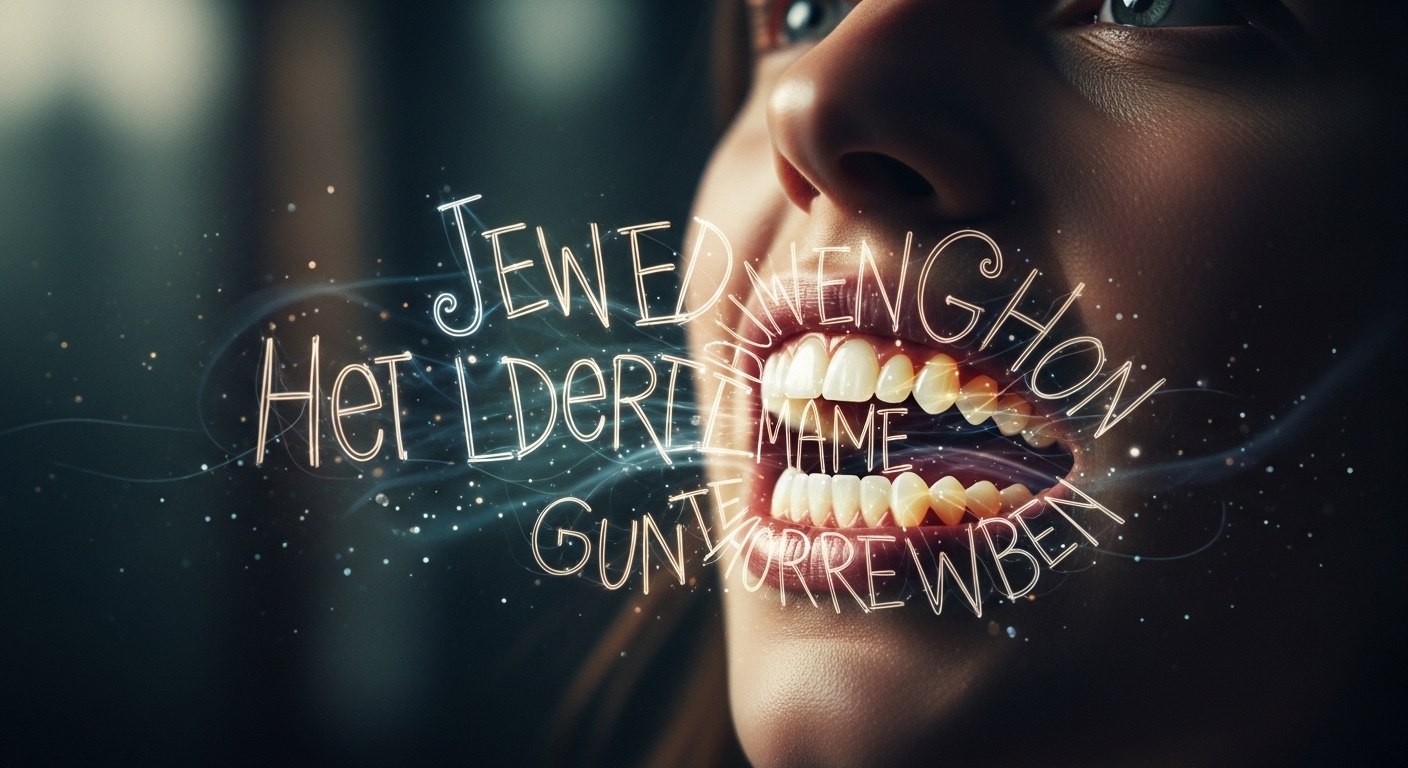
Have you ever watched someone dentiloquy speak and found yourself mesmerized, not just by their words but by the way they move their mouth? Welcome to the intriguing world of dentiloquy. This unique form of communication goes beyond mere verbal exchange; it’s about the artful use of your teeth and lips to convey messages without saying a word. From subtle smiles to powerful gestures, our dental tools play a pivotal role in how we express ourselves.
In today’s fast-paced society, where every glance and gesture counts, mastering this skill can elevate your interactions significantly. Let’s dive into dentiloquy—an enchanting blend of language, expression, and connection that transcends barriers. Whether you’re an aspiring public speaker or simply someone looking to enhance everyday conversations, understanding dentiloquent techniques could unlock new pathways for meaningful exchanges. Ready to explore this fascinating realm?
The Power of Non-Verbal Communication
Non-verbal communication speaks volumes without a single word. It encompasses gestures, facial expressions, and body language. These elements can convey emotions more powerfully than spoken language.
When we communicate with our teeth—smiling, grinning, or even frowning—we tap into an ancient form of expression. A simple smile can create warmth and trust. Conversely, a scowl might signal disapproval or discomfort.
Research shows that up to 93% of communication effectiveness comes from non-verbal cues. This statistic highlights the importance of mastering this art form in everyday interactions.
In public speaking or personal encounters, being conscious of your dentiloquent skills enhances connection. You may not realize it, but how you use your mouth can influence relationships profoundly.
Embracing these subtle signals allows for deeper understanding among people. The beauty lies in its spontaneity and authenticity—an unspoken language everyone understands on some level.
The History of Dentiloquy
Dentiloquy has roots that stretch back centuries, intertwining with the evolution of human communication. Ancient civilizations recognized the power of gestures and expressions. They understood that our mouths convey more than words.
In medieval times, jesters and actors honed their craft using exaggerated facial movements to entertain. This playful manipulation paved the way for more deliberate forms of expression, highlighting how teeth can create a visual dialogue.
The Renaissance brought about an explosion in artistic representation. Portraits featured bold smiles and expressive faces, emphasizing character through dentiloquent techniques. Artists like Da Vinci studied anatomy, capturing nuances that went beyond spoken language.
Fast forward to modern history; public speaking saw a revival as leaders began to realize the importance of non-verbal cues. The ability to command attention without uttering a single word became essential for effective communication during pivotal moments in time.
Famous Examples of Dentiloquent Speakers
Throughout history, some speakers have mastered the art of dentiloquy, captivating audiences with their unique styles. One prominent figure is Winston Churchill. Known for his powerful speeches during World War II, he often used intentional pauses and subtle facial expressions to enhance his delivery.
Another famous example is Steve Jobs. His presentations were not just about what he said but how he communicated it through body language and facial cues. He could convey enthusiasm without uttering a word.
Consider also Nelson Mandela, whose ability to connect with diverse audiences relied heavily on non-verbal signals. His warm smile and expressive demeanor spoke volumes about empathy and strength.
These individuals showcase that speaking isn’t solely about words; it’s about the entire package—voice modulation combined with effective use of facial features can leave lasting impressions. Their legacies continue to inspire aspiring speakers everywhere.
How to Improve Your Dentiloquy Skills
Improving your dentiloquy skills is both fun and rewarding. Start by observing how others express themselves without words. Notice the subtle movements of lips, teeth, and facial muscles.
Practice in front of a mirror. Experiment with different expressions that convey various emotions. Try to communicate messages just using your mouth’s position.
Record yourself speaking while focusing on the alignment of your teeth and lips. Playback can reveal nuances you might miss during live practice.
Engage in activities like miming or charades to enhance your ability to translate thoughts into non-verbal cues.
Collaborate with friends for feedback on clarity and expression. Their perspectives can sharpen your skills further than solo practice alone.
Embrace spontaneity in everyday interactions. The more you incorporate these techniques into daily life, the more natural they will become over time.
Common Misconceptions about Speaking with Your Teeth
Many people believe that speaking with your teeth is solely about pronunciation. This isn’t the case. It’s more nuanced, involving facial expressions and body language.
Another misconception is that only skilled orators can be dentiloquent. In reality, anyone can learn to express themselves effectively using their teeth as a tool for communication.
Some think it’s an outdated practice, but dentiloquy has evolved with modern communication styles. It’s alive in everyday interactions, from casual conversations to public speaking engagements.
Many assume it’s just about showing off dental health. While having strong teeth helps, the essence lies in how you engage others through subtle gestures and movements rather than aesthetic appeal alone.
Conclusion
Dentiloquent communication is a fascinating blend of art and skill. It allows individuals to express themselves without speaking a single word. This unique form of expression taps into the rich world of non-verbal cues, making it an essential aspect of human interaction.
Throughout history, great speakers have harnessed the power of dentiloquy to captivate audiences and convey complex emotions. From subtle smiles to pronounced gestures, these actions can speak volumes about one’s thoughts and feelings.
Improving your own dentiloquy skills involves practice and observation. Pay attention to how others communicate non-verbally. Experiment with your own expressions in different contexts, whether it’s during casual conversations or formal presentations.
Despite common misconceptions about this art form—like the belief that only trained professionals can master it—anyone can become more adept at communicating through their teeth with dedication and effort.
Embracing the principles behind dentiloquency opens up new avenues for connection with those around you. As you delve deeper into this intriguing mode of expression, you’ll discover its potential not just in personal relationships but also in professional settings where effective communication is key.