

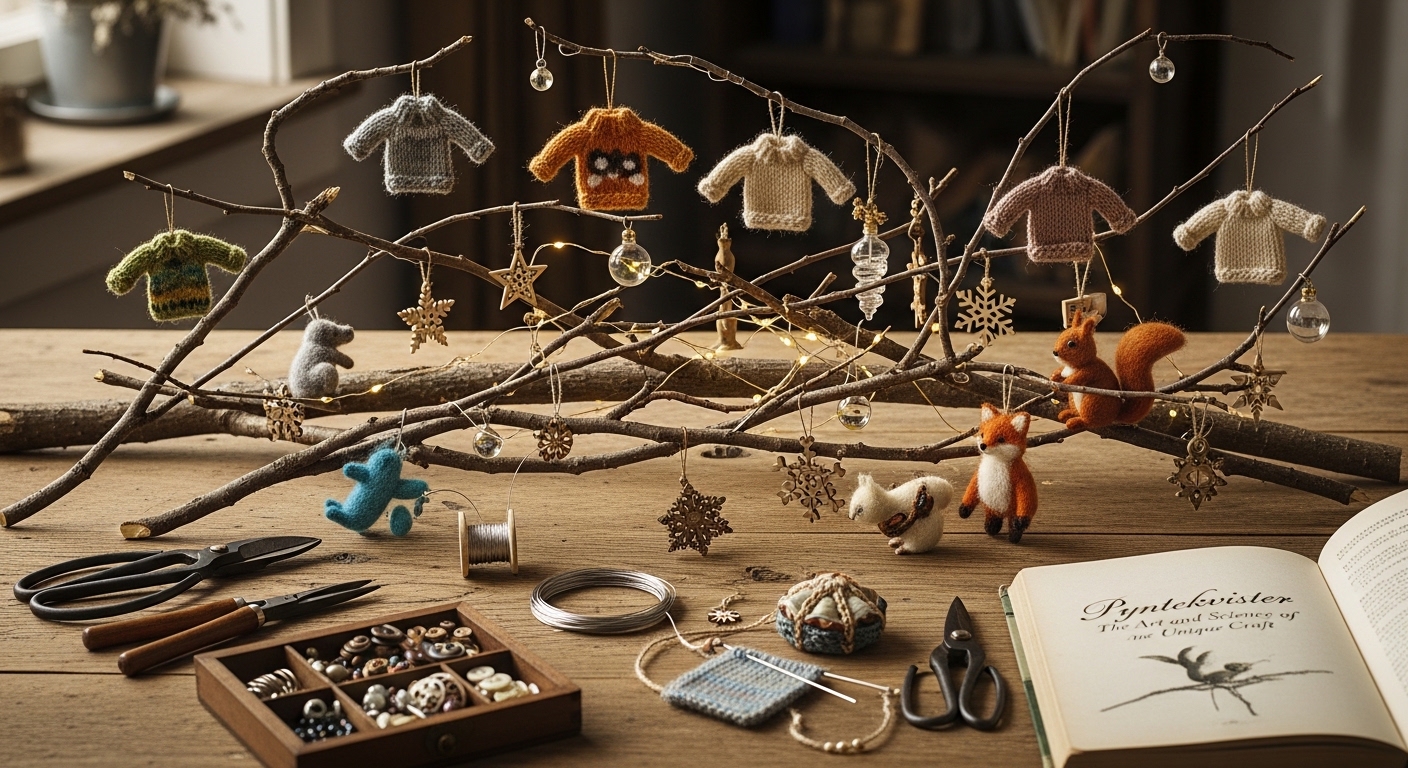
Welcome to the enchanting world of Pyntekvister, where creativity meets tradition in a captivating blend of art and craftsmanship. Imagine transforming simple materials into intricate designs that tell stories and evoke emotions. Whether you’re an avid crafter or simply curious about unique hobbies, Pyntekvister offers a delightful escape into the realm of artistic expression. This craft not only allows for personal exploration but also connects you with centuries-old traditions. Dive in as we uncover what makes Pyntekvister truly special and how you can embark on your own creative journey!
What are Pyntekvister?
Pyntekvister are intricate ornamental pieces crafted from natural materials, often associated with Scandinavian folklore. These charming creations typically feature motifs that celebrate nature, culture, and the changing seasons.
Traditionally made from twigs or branches, Pyntekvister can take various forms. They might resemble delicate floral arrangements or whimsical shapes inspired by wildlife. Each piece is unique, showcasing the artisan’s creativity and skill. At their core, Pyntekvister embody a connection to heritage and craftsmanship. They serve not only as decorative items but also as personal expressions of artistry. Enthusiasts appreciate the meditative process involved in creating these pieces while celebrating the beauty of simplicity found in nature’s bounty.
A Brief History of Pyntekvister
Pyntekvister has roots deeply embedded in Scandinavian culture. This intricate craft, known for its playful use of colored paper and delicate designs, began as a festive tradition among families. Historically, these charming creations were made during winter holidays. Artisans would gather to share techniques while crafting ornaments for their homes. The practice was passed down through generations, evolving over time.
By the 20th century, Pyntekvister gained popularity beyond local communities. Artists embraced it as a form of expression and creativity. Workshops emerged across Scandinavia, allowing enthusiasts to learn the art form. Today, Pyntekvister continues to captivate crafters worldwide. It blends heritage with modern aesthetics, ensuring this unique craft remains vibrant and relevant in contemporary society.
The Materials and Tools Required for Creating Pyntekvister
Creating Pyntekvister requires a blend of unique materials and essential tools. At the heart of this craft is high-quality paper, often colored or patterned to add vibrancy. A good pair of scissors is crucial for precise cuts. You’ll also need a ruler for measuring and ensuring accuracy in your designs. Craft glue plays a vital role in securing pieces together, while double-sided tape offers an excellent alternative for cleaner finishes.
Consider adding decorative elements like beads or ribbons; these can elevate your project dramatically. For those intricate details, fine-tipped markers can help you draw patterns or outlines. Having a sturdy cutting mat will protect surfaces during crafting sessions. Gather these supplies before diving into the enchanting world of Pyntekvister, and let your imagination run wild!
Step-by-Step Guide to Making a Simple Pyntekvist
To create a simple Pyntekvist, start by gathering your materials. You’ll need thin branches or twigs, floral wire, and decorative elements like beads or ribbons. Begin with the base structure. Select three sturdy branches for the frame. Use floral wire to bind them together in a triangular shape, securing each corner tightly. Next, add depth by weaving additional twigs between the main branches. This creates an intricate yet stable design.
For embellishments, choose colorful beads or natural decorations like dried flowers. Attach these to your Pyntekvist using more floral wire or string them through the gaps you created earlier. Consider adding a loop at the top for hanging purposes. Your simple Pyntekvist is now ready to showcase! Enjoy personalizing it further as you become more comfortable with this beautiful craft.
Different Techniques and Designs for More Advanced Pyntekvister
Once you master the basics, it’s time to explore advanced pyntekvister techniques. One popular method involves layering various materials. Combining natural elements like twigs and dried flowers can create stunning depth. Another exciting approach is incorporating intricate patterns. Using colored threads or beads adds vibrancy and texture to your pieces. Experimenting with geometric shapes also brings a modern twist.
Consider using different weaving styles as well. Techniques such as twining or braiding can elevate your design significantly. They not only enhance visual appeal but also strengthen the structure of your pyntekvister. Don’t shy away from seasonal themes either! Creating holiday-inspired designs allows for creativity in color palettes and motifs, making each piece unique to its occasion. The possibilities are endless when you embrace innovation in technique and style!
Benefits of Creating Pyntekvister as a Hobby or Business
Creating Pyntekvister can be a fulfilling hobby that sparks joy and creativity. Engaging in this craft allows you to express your artistic side while honing fine motor skills. It’s therapeutic, providing a mental escape from daily stress. For those considering entrepreneurship, Pyntekvister offers unique business opportunities. Handmade crafts are increasingly popular in markets focused on sustainability and authenticity. Your creations can attract customers seeking one-of-a-kind pieces.
Additionally, the community surrounding craft-making is vibrant and supportive. Joining groups or attending workshops fosters connections with like-minded individuals who share your passion. Selling Pyntekvister at local fairs or online platforms also opens avenues for income generation. With the right marketing strategies, you can build a brand around your craftsmanship that resonates with art enthusiasts. Whether pursued as a relaxing pastime or a viable business venture, creating Pyntekvister has myriad benefits waiting to be explored.
Tips for Displaying and Preserving Your Pyntekvister
To truly showcase your Pyntekvister, consider the lighting. A well-lit display can highlight the intricate details and vibrant colors of each piece. Use natural light where possible, but avoid direct sunlight to prevent fading. Choose a suitable backdrop that complements rather than competes with your creations. Neutral tones often work best, allowing your artistry to take center stage.
When it comes to preservation, store them in a cool, dry place away from humidity. This helps maintain their shape and prevents deterioration over time. Using glass domes or shadow boxes can not only protect them from dust but also add an elegant touch to any room decor. Keep these displays out of reach from pets or small children who might accidentally damage them. Regularly check for signs of wear and tear so you can address any issues promptly without compromising their beauty.
Conclusion
Creating Pyntekvister is more than just a craft; it’s an expression of creativity that connects generations of artisans. As you explore the intricacies of this unique art form, you’ll find not only joy in crafting but also satisfaction in sharing your creations with others. Whether you’re drawn to the historical significance or captivated by the aesthetic beauty, there’s something about Pyntekvister that resonates deeply.
By engaging with this craft, you open doors to community and connection. You can turn it into a rewarding hobby or even a thriving business if you desire. The possibilities are endless when you embrace Pyntekvister as part of your creative journey. So gather your materials and tools, let your imagination flow, and dive into the fascinating world of Pyntekvister!