

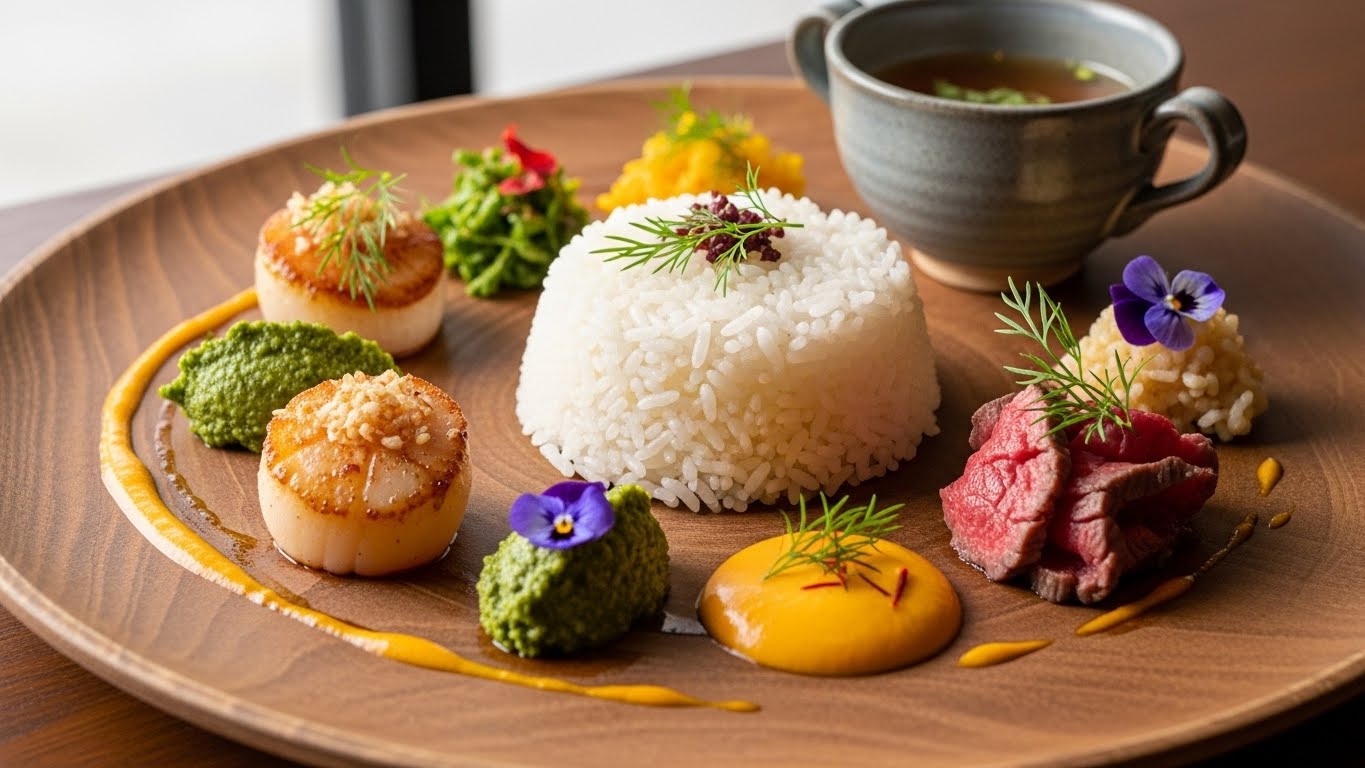
Soutaipasu is not just a dish; it’s an experience that tantalizes the taste buds and warms the heart. Emerging from rich culinary traditions, this unique recipe offers a blend of flavors that tells a story with every bite. Its origins are steeped in culture and history, making it much more than food—it’s a celebration of community and heritage. As you delve into the world of Soutaipasu, you’ll discover its key ingredients, regional variations, and cultural significance. Whether you’re a seasoned chef or simply curious about new cuisines, there’s something special waiting for you in each serving of this delightful dish. Let’s embark on this flavorful journey together!
The key ingredients used in Soutaipasu
Soutaipasu showcases a vibrant array of ingredients that contribute to its distinct flavors. At the heart of this dish are fresh vegetables, often sourced from local markets. Their crispness adds both texture and nutrition.
Proteins play a crucial role too. Whether it’s tender chicken, succulent pork, or plant-based alternatives like tofu, each option offers unique taste profiles that elevate Soutaipasu’s complexity.
Spices and herbs bring depth to every bite. Commonly used spices include cumin and coriander, which create a warm base. Fresh herbs like cilantro add brightness, balancing out richer components.
Don’t forget the sauces! A touch of soy sauce or chili paste can introduce an exciting kick. Together, these elements harmonize beautifully in Soutaipasu’s captivating blend of tastes and aromas. Each ingredient tells a story rich in tradition and culinary artistry.
The different variations of Soutaipasu across regions
Soutaipasu is not a one-size-fits-all dish; it boasts remarkable variations that reflect the diverse culinary landscapes of different regions. In coastal areas, for instance, seafood often makes its way into Soutaipasu. Fresh fish and shellfish add a briny depth that speaks to the ocean’s bounty.
Conversely, inland regions might lean more towards hearty meats or plant-based ingredients. Here, local vegetables shine through, creating a vibrant and wholesome experience. Each variation also carries distinct spices and seasonings unique to its locality. From tangy citrus to aromatic herbs, these differences enhance the overall flavor profile dramatically.
Cultural influences play a key role too. Immigrant communities have infused their own traditions into Soutaipasu recipes over generations, making each version uniquely flavorful and rich in history.
This adaptability allows Soutaipasu to appeal to various palates while honoring its roots within regional cuisines.
The cultural significance and traditions surrounding Soutaipasu
Soutaipasu isn’t just a dish; it’s a celebration of culture and community. In many regions, preparing and sharing Soutaipasu is often linked to special occasions like festivals, weddings, or family gatherings.
Traditions vary widely. Some families have secret recipes passed down through generations. These unique twists add depth to the dish and create a sense of belonging.
In certain cultures, cooking Soutaipasu is also seen as an opportunity for social bonding. Friends and relatives gather in kitchens, exchanging stories while they chop ingredients or stir pots.
Additionally, the way Soutaipasu is served holds meaning. It often features prominently on communal tables during feasts, symbolizing unity among diners. Each bite carries not only flavor but history and love woven into its preparation.
Through these practices, the essence of Soutaipasu transcends mere sustenance—it’s about connection between people and their heritage.
How to make Soutaipasu at home
Making Soutaipasu at home is a delightful culinary adventure. Start by gathering fresh ingredients like rice, seasonal vegetables, and your choice of protein—be it chicken, tofu, or seafood.
Begin with the rice; rinse until the water runs clear. Cook it in a pot with just enough water to cover. In another pan, sauté garlic and onions until fragrant.
Next, add your selected protein along with chopped vegetables. Season generously with soy sauce and spices that resonate with you.
Once everything is cooked through, combine it all gently into the rice pot. Stir well to ensure even distribution of flavors.
Let it steam for an additional five minutes on low heat to meld those tastes together beautifully. Serve hot and enjoy the burst of flavor in every bite!
Where to find the best Soutaipasu restaurants
Finding the best Soutaipasu restaurants can be an adventure in itself. Start your quest in bustling urban areas where food culture thrives. Cities like Tokyo and Osaka boast eateries focusing on traditional preparations.
Look for hidden gems tucked away in narrow alleyways or local markets. These spots often serve authentic versions that reflect regional flavors.
Don’t overlook online reviews or social media platforms. Food enthusiasts frequently share their favorite places, providing you insights into must-try dishes.
Consider visiting during festivals to experience Soutaipasu made by skilled artisans. Street vendors may offer unique takes on this beloved dish, adding to its charm.
Remember that some of the most memorable meals come from family-run establishments. They often carry recipes passed down through generations, ensuring a true taste of tradition with each bite.
Incorporating Soutaipasu into your own cooking repertoire
Incorporating Soutaipasu into your cooking repertoire can be a delightful adventure. Start by experimenting with its core ingredients. The blend of spices and textures offers endless possibilities.
Try using rice or noodles as a base to mimic traditional preparations. Add your choice of protein, whether it’s chicken, tofu, or seafood. Then layer in the signature flavors that define Soutaipasu.
Consider hosting a themed dinner night where you introduce friends to this unique dish. Share stories behind each ingredient and its origins.
You could also create fusion dishes by combining elements of Soutaipasu with other cuisines. Imagine adding a twist to classic pasta dishes or even tacos!
Don’t shy away from customizing seasoning levels based on personal preference; finding the right balance is key. Experimentation leads to delicious discoveries in every bite!
Conclusion
Soutaipasu is more than just a dish; it’s an experience that encapsulates the rich tapestry of flavors and traditions from its origins. With its unique blend of ingredients, each bite speaks to the culinary diversity found across different regions. The cultural significance tied to Soutaipasu adds layers of meaning, making it a cherished meal for many.
For those eager to explore this delightful dish at home, there are countless recipes available that can guide you through creating your own version. Whether you’re dining out or experimenting in your kitchen, incorporating Soutaipasu into your repertoire opens up new avenues for enjoyment and appreciation.
As you embark on your journey with Soutaipasu, embrace the flavors and stories behind it. There is always something new to discover in every bowl served. Enjoying this dish not only satisfies the palate but also connects us to a larger community bound by food heritage.