
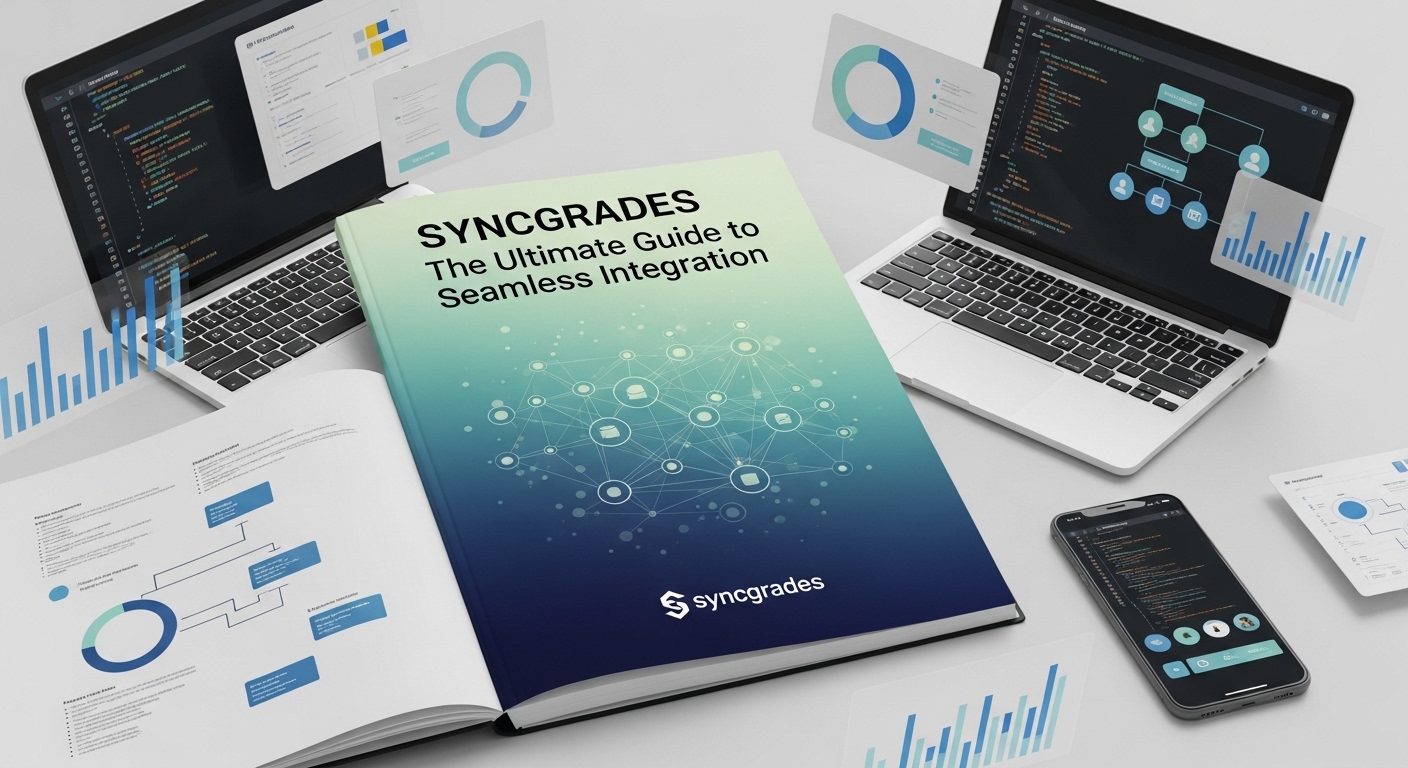
In today’s fast-paced digital landscape, businesses are constantly seeking ways to streamline their operations and enhance productivity. Enter Syncgrades—an innovative solution designed to simplify integration across various platforms. It’s not just a buzzword; it’s a game-changer for organizations looking to harmonize their systems effortlessly.
Imagine having all your applications, data sources, and workflows working together seamlessly. That’s the promise of Syncgrades: breaking down silos and creating unified processes that can save time and resources. Whether you’re a small startup or an established enterprise, understanding how to utilize Syncgrades effectively is crucial for staying ahead in this competitive market.
This guide will walk you through everything you need to know about Syncgrades, from its significance and benefits to choosing the right integration option for your business. Ready? Let’s dive into the world of seamless integration!
What is Syncgrades and why is it important?
Syncgrades is a cutting-edge integration platform that allows businesses to connect various applications and systems with ease. Think of it as the glue that binds your digital tools together, enabling them to communicate effectively.
The importance of Syncgrades lies in its ability to eliminate data silos. In many organizations, critical information gets trapped within different software or departments. This fragmentation can lead to inefficiencies and missed opportunities.
With Syncgrades, you gain real-time access to data across all platforms. This connectivity not only speeds up workflows but also enhances decision-making processes by providing accurate insights at your fingertips.
Moreover, as companies increasingly adopt cloud solutions alongside traditional systems, having a robust integration approach becomes essential for maintaining operational agility. It’s no longer just about compatibility; it’s about fostering an ecosystem where every tool works in harmony for optimized results.
The Benefits of Seamless Integration
Seamless integration transforms the way businesses operate. It enhances efficiency by allowing different systems to communicate effortlessly. This reduces manual tasks and minimizes errors.
With seamless integration, data flows smoothly across platforms. Teams can access real-time information, leading to informed decision-making. Quick access to vital data means faster responses to market changes.
Collaboration improves significantly when systems work together without friction. Employees spend less time navigating between applications and more time focusing on core tasks.
Cost savings are another critical benefit. By streamlining processes, organizations can reduce operational expenses over time.
Customer satisfaction also sees a boost as integrated systems provide better service delivery. Clients enjoy quicker resolutions and personalized experiences based on comprehensive insights from various sources.
Embracing seamless integration paves the way for innovation and growth in an ever-evolving digital landscape.
Types of Integration: Cloud, On-Premises, Hybrid
When exploring integration options, businesses typically encounter three main types: cloud, on-premises, and hybrid. Each has its own distinct characteristics suited to varying needs.
Cloud integration leverages the power of remote servers. This allows for flexibility and scalability. With cloud solutions, companies can easily access data from anywhere at any time. It’s ideal for organizations looking to minimize hardware costs while enhancing collaboration.
On-premises integration keeps everything within local servers. This approach offers more control over security and compliance but requires significant IT resources. Companies with strict regulations often prefer this method for sensitive data handling.
Hybrid integration combines both approaches, capitalizing on their strengths while mitigating weaknesses. It enables businesses to use cloud services alongside existing on-premise systems seamlessly. This option is especially appealing for those transitioning gradually or needing a tailored solution that fits diverse operational requirements.
How to Choose the Right Integration Option for Your Business
Choosing the right integration option for your business requires careful consideration of several factors. Start by assessing your current infrastructure and data requirements. Are you primarily cloud-based, or do you rely on on-premises solutions?
Next, think about scalability. Will your chosen option grow with your business? A flexible solution can adapt as needs evolve.
Cost is another important factor. Evaluate both upfront expenses and long-term operational costs to determine what fits your budget best.
Don’t forget about security and compliance. Ensure that any integration method meets industry standards relevant to your sector.
Consider user experience. How will employees interact with the new system? Selecting an intuitive platform can enhance productivity from day one.
Best Practices for Implementing Syncgrades
Implementing Syncgrades effectively can transform your business operations. Start by assessing your current systems. Understand what data needs synchronization and identify potential gaps.
Next, involve key stakeholders early in the process. Their input will ensure that everyone’s needs are met and can help reduce resistance to new processes.
Training is crucial. Provide comprehensive training sessions for users who will engage with Syncgrades regularly. A well-informed team maximizes the benefits of integration.
Monitor performance closely after implementation. Regularly check how Syncgrades impacts workflows and productivity levels to make necessary adjustments promptly.
Keep an open line of communication within your organization regarding updates or changes related to Syncgrades. This helps maintain transparency and encourages a collaborative environment focused on continuous improvement.
Case Studies: Successful Integration with Syncgrades
One remarkable case study involves a mid-sized retail firm that struggled with inventory management. They turned to Syncgrades for a solution. The integration process streamlined their operations, linking multiple platforms effortlessly.
Within weeks, the company reported significant improvements in stock accuracy and reduced order processing times. Employees were able to focus more on customer service rather than manual data entry.
Another success story comes from a healthcare provider aiming to enhance patient care. By integrating electronic health records through Syncgrades, they achieved real-time access to patient information across departments. This not only improved collaboration among staff but also elevated the quality of patient interactions.
These examples highlight how organizations have leveraged Syncgrades for effective integration strategies tailored to their unique needs—ultimately driving efficiency and fostering growth in competitive markets.
Future of Integration and Syncgrades’ Role in It
The future of integration is rapidly evolving, driven by advancements in technology and the rising demand for seamless connectivity. Businesses are increasingly looking for solutions that enhance efficiency while reducing operational silos.
Syncgrades stands at the forefront of this transformation. Its robust capabilities enable organizations to effortlessly connect various systems, fostering an environment where data flows freely.
As artificial intelligence and machine learning continue to mature, Syncgrades will leverage these technologies to provide predictive insights. This means businesses can anticipate challenges before they arise, making proactive decisions that drive success.
Moreover, the shift towards remote work emphasizes the need for reliable integrations across diverse platforms. Syncgrades offers a solution that adapts to changing environments and user needs.
As companies navigate a more interconnected world, tools like Syncgrades will become indispensable in ensuring compatibility among different applications and services. The future looks promising with innovative integration solutions paving the way for enhanced productivity.
Conclusion
Navigating the complex world of integration can feel overwhelming. However, with Syncgrades, businesses have a powerful tool to streamline their processes and enhance productivity. The importance of seamless integration cannot be understated; it fosters efficiency and allows for real-time data sharing.
By understanding the various types of integration—cloud, on-premises, or hybrid—you’ll make informed decisions that align with your business needs. Choosing the right option is critical for long-term success. Implementing best practices will ensure that you maximize your investment in Syncgrades and enjoy all its benefits.
Case studies highlight how diverse companies have successfully leveraged Syncgrades to facilitate smoother operations. This showcases not only its versatility but also its adaptability across different sectors.
As we look toward the future of integration, it’s clear that solutions like Syncgrades will play an essential role in shaping efficient workflows and driving innovation forward. Embracing such technologies positions businesses well within competitive markets.
Syncgrades stands as a beacon for those seeking clarity amid complexity in integrations. Engaging with this solution could very well transform how your organization operates at every level.