

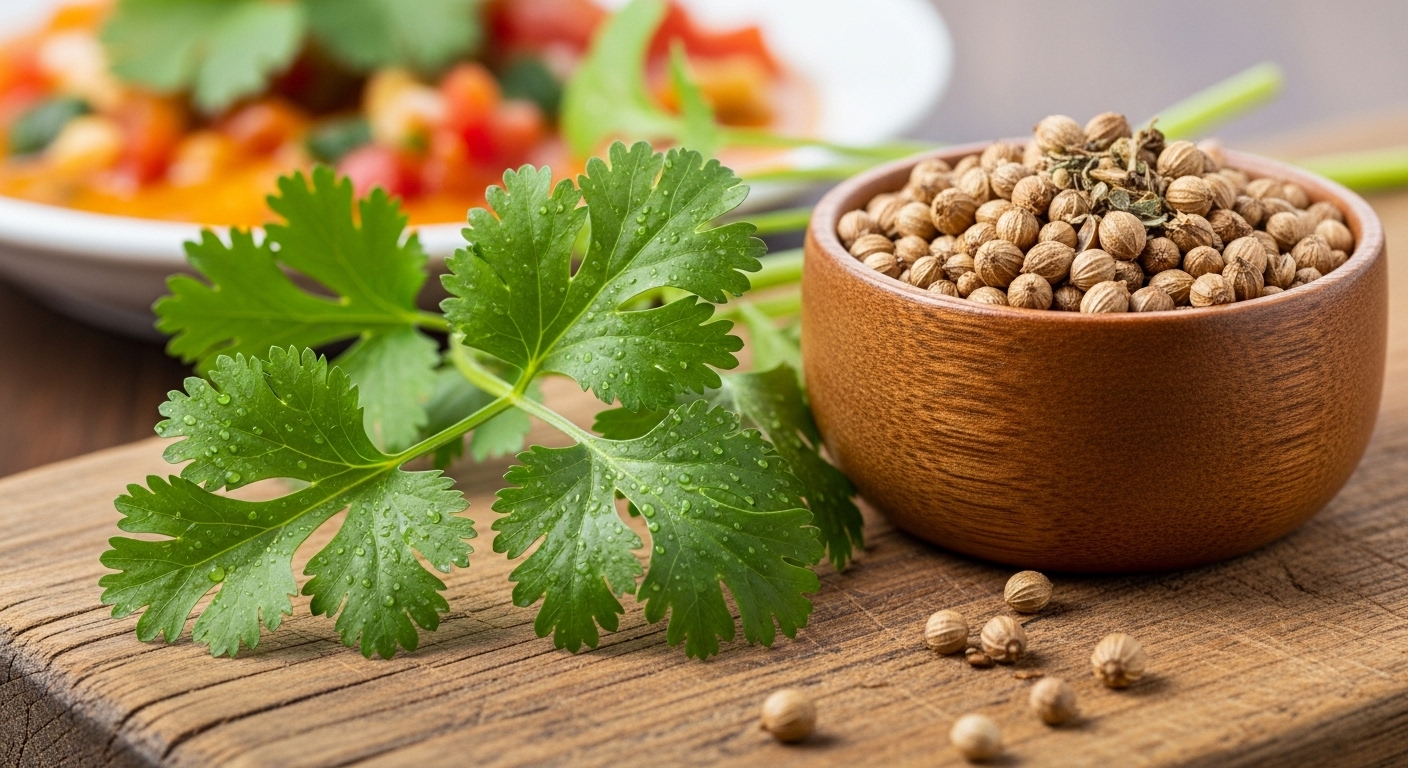
Koriandri, also known as cilantro or coriander, is a herb that sparks passionate debates among food lovers. Some adore its fresh, zesty flavor, while others find it divisive. Regardless of your stance, one thing is clear: Koriandri adds a unique twist to dishes across the globe. Its history stretches back thousands of years and spans cultures from Asia to Europe and the Americas. This versatile herb has made its mark not just on our plates but also in our hearts.
Whether you’re looking to elevate a simple salad or enhance an elaborate curry, Koriandri deserves a place in your kitchen. With its multitude of nutritional benefits and culinary applications, this herb can transform ordinary meals into extraordinary experiences. Are you ready to discover how Koriandri can spice up your cooking? Let’s dive into all the amazing aspects of this remarkable herb!
Nutritional Benefits of Koriandri
Koriandri, also known as coriander, is packed with essential nutrients. This vibrant herb contains vitamins A, C, and K which contribute to overall health. One of its standout features is its high antioxidant content. These compounds help combat oxidative stress in the body, promoting well-being.
Additionally, koriandri aids digestion. It has been traditionally used to relieve bloating and discomfort after meals. The herb’s antimicrobial properties support a healthy immune system too. Incorporating it into your diet may guard against infections. Moreover, koriandri contributes to heart health by lowering cholesterol levels and supporting circulation. Its anti-inflammatory effects are another bonus for those seeking natural remedies. With all these benefits wrapped up in a fresh flavor profile, adding koriandri to your meals is both delicious and nutritious.
Culinary Uses of Koriandri
Koriandri, also known as cilantro or coriander, is a staple herb in many kitchens worldwide. Its fresh leaves and seeds are used for various culinary delights. The vibrant green leaves add brightness to salads, salsas, and garnishes. They enhance dishes like tacos and curries with their unique flavor profile.
Dried koriandri seeds bring warmth and depth to spice blends. They are essential in Indian garam masala and Middle Eastern za’atar mixes. This herb shines in both raw preparations and cooked meals. Adding it at the end of cooking preserves its aromatic qualities. From stir-fries to soups, koriandri complements a wide array of cuisines. It adds an intriguing twist that transforms ordinary dishes into extraordinary ones.
How to Incorporate Koriandri into Your Cooking
Adding koriandri to your dishes can transform flavors in delightful ways. Start by using fresh leaves as a garnish for soups, salads, and tacos. Their bright green color adds visual appeal while enhancing taste.
For marinades or dressings, blend coriander seeds with other spices like cumin and garlic. This creates a fragrant mix perfect for meats or vegetables.
Koriandri pairs wonderfully with citrus fruits. Try mixing it into salsa with diced tomatoes, onions, and lime juice for a refreshing kick.
In Asian cuisines, incorporate it into stir-fries or curries towards the end of cooking to preserve its vibrant flavor profile.
If you’re feeling adventurous, infuse oil with crushed koriandri seeds to drizzle over finished plates. The added depth will surprise your guests at any meal gathering!
Cultural Significance of Koriandri in Different Cuisines
Koriandri, known as coriander in many parts of the world, holds a cherished place in diverse cuisines. In Indian cooking, it’s an essential ingredient in spice blends like garam masala. Its fresh leaves add brightness to curries and chutneys.
In Middle Eastern dishes, Koriandri is often found sprinkled over falafel or tabbouleh. It provides a refreshing contrast to rich flavors.
Latin American cuisine embraces this herb too. Cilantro enhances salsas and garnishes tacos with its distinctive flavor.
Asian cultures also value Koriandri for its aromatic qualities. In Thai food, it’s used in salads and soups, imparting depth to every bite.
With each culture adapting this versatile herb uniquely, Koriandri serves not just as seasoning but as a symbol of culinary heritage worldwide.
Growing and Storing Koriandri at Home
Growing koriandri at home is a rewarding experience. This herb thrives in well-drained soil and enjoys full sun, making it perfect for your garden or balcony.
Start with seeds or seedlings. Plant them about an inch deep and ensure they have enough space to spread out. Water regularly but avoid overwatering; soggy roots can lead to issues.
When it’s time to harvest, snip the leaves as needed. Using fresh leaves elevates any dish you prepare.
Storing koriandri correctly is essential for maintaining its flavor. If you have excess, consider drying it out or freezing it in ice cube trays with water for future use.
Keep dried leaves in airtight containers away from light to prolong freshness. With these simple steps, you’ll enjoy the benefits of right from your kitchen!
Why You Should Add Koriandri to Your Kitchen Arsenal
Koriandri is more than just a garnish; it’s a flavor powerhouse. Adding this herb to your kitchen arsenal opens up a world of culinary possibilities.
Its unique taste can elevate everything from salsas to soups. The refreshing and slightly citrusy notes make dishes come alive in unexpected ways.
Not only does enhance flavors, but it also offers numerous health benefits. Packed with antioxidants, vitamins, and minerals, it’s great for boosting nutrition while keeping meals exciting.
Moreover, its versatility means you can use both the leaves and seeds in various recipes. Whether fresh or dried, lends itself well to different cuisines.
Experimenting with encourages creativity in the kitchen. You may discover new favorite combinations that surprise your palate and delight guests at your table. Embrace this herb’s charm—your cooking will never be the same!
Conclusion
Koriandri is more than just a herb; it’s a culinary gem that adds flavor, nutrition, and cultural richness to your meals. Its versatility allows you to experiment across various cuisines while boosting the nutritional profile of your dishes. Whether you’re sprinkling fresh leaves on tacos or using coriander seeds for spice blends, can elevate any recipe.
Incorporating Koriandri into your cooking is effortless. You can grow it at home or find it fresh in local markets. With its unique taste and numerous health benefits, it’s clear why this herb deserves a spot in every kitchen arsenal.
Embrace the world of flavors brings and transform everyday meals into extraordinary experiences. Your palate will thank you for exploring all that this wonderful herb has to offer!