

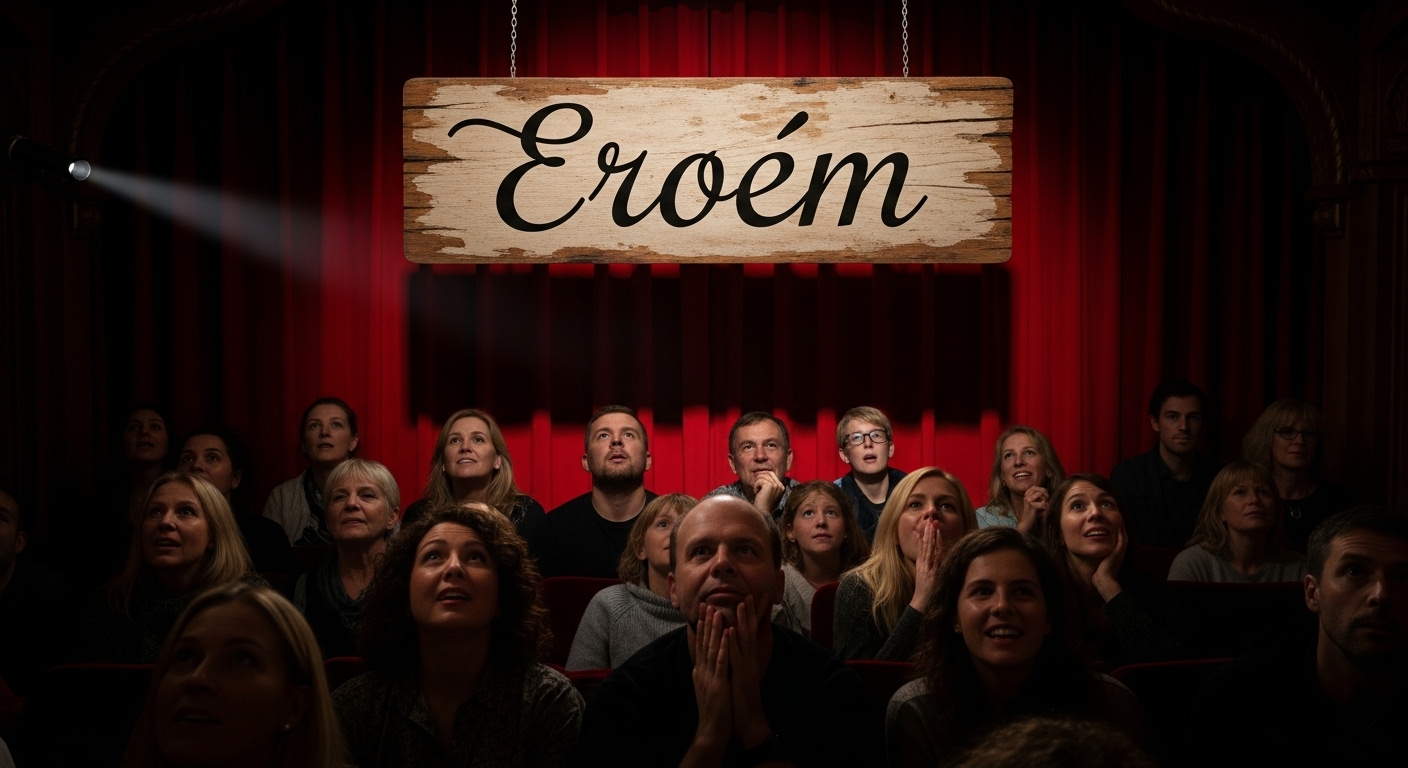
Imagine a moment so powerful that words simply can’t capture its essence. That’s where Eroem comes into play. This unique expression transcends the barriers of language, allowing us to communicate feelings and ideas in a way that resonates deeply with others. It’s an art form of emotion, a dance of non-verbal cues that can captivate any audience. Whether you’re sharing joy, sorrow, or something in between, understanding Eroem can transform your interactions and create connections on a profound level. Join us as we explore what Eroem really is, uncover its fascinating history and significance, and discover how you can use this compelling form of expression to enhance your communication skills every day. Embrace the power of Eroem and unlock new dimensions in your relationships!
What is Eroem?
Eroem is a captivating expression that transcends spoken language. It embodies emotion and meaning through gestures, facial expressions, and body language. This nuanced form of communication speaks volumes without uttering a single word. At its core, Eroem encapsulates the essence of human experience—joy, sadness, surprise—all conveyed in subtle movements and glances. It allows us to connect on an emotional level that words often fail to achieve.
Think about how a smile can light up a room or how a frown can convey deep disappointment without saying anything at all. Eroem harnesses these powerful non-verbal cues to enrich our interactions. This unique expression invites audiences into shared moments of understanding and empathy. It’s not just about what we say; it’s also about how we say it—and that’s where Eroem shines brightest.
The History and Origin of Eroem
Eroem has intriguing roots that trace back to various cultures, blending elements of art and emotion. The term itself is thought to have emerged in the early 20th century, reflecting a shift towards recognizing the depth of human expression.
In ancient times, civilizations utilized gestures and body language as vital communication tools. Eroem evolved from these practices, signifying not just feelings but also intentions behind actions. It merged with performance arts such as dance and theater, where physical expression became paramount. As societies advanced, so did the appreciation for nuanced forms of communication. Artists began exploring how movements could convey complex emotions without words. This exploration laid the groundwork for what we now recognize as Eroem—a fascinating fusion of instinctive expression and cultural influence that continues to captivate audiences today.
The Power of Non-Verbal Com munication
Non-verbal communication holds immense power in how we connect with others. It transcends spoken language, often conveying emotions that words cannot express. A simple glance or a subtle gesture can reveal more than an entire conversation. Facial expressions play a crucial role in this silent dialogue. A smile can bridge gaps, while frowns may create distance. Body language further enhances our interactions; crossed arms might signal defensiveness, whereas open stances invite engagement.
Tone of voice also adds depth to non-verbal cues. Inflections and pauses can change the meaning behind even the simplest phrases. This interplay creates layers of understanding between individuals. Cultural nuances influence these signals as well, making it essential to be aware of context when interpreting them. By honing our ability to read and use non-verbal communication effectively, we enhance our relationships significantly on both personal and professional levels.
How Eroem Enhances Communication
Eroem serves as a powerful tool for enhancing communication by bridging the gap between spoken words and unspoken feelings. This unique expression resonates deeply, allowing individuals to convey emotions that often escape verbal articulation. When someone uses Eroem, it invites others into a shared experience. It creates an atmosphere of understanding and empathy. A simple glance or gesture can express joy, sadness, or excitement in ways words may fail to capture.
Moreover, Eroem transcends cultural boundaries. People from different backgrounds can connect through its universal nature. It fosters relationships by promoting genuine interactions based on emotional honesty. In everyday scenarios—be it a warm hug or an encouraging nod—Eroem enriches conversations significantly. By incorporating this form of expression, we can create more meaningful connections with those around us, leading to deeper understanding and engagement in our interactions.
Famous Examples of Eroem in Pop Culture
Eroem has found its way into various facets of pop culture, creating memorable moments that resonate with audiences. One iconic example is the expressive dance in movies like “Dirty Dancing.” The non-verbal connection between characters speaks volumes, often more than words could convey. Television series also embrace Eroem. Think about shows like “Friends,” where a simple look shared between Ross and Rachel can ignite an entire storyline without any dialogue necessary.
In music videos, artists frequently use Eroem to convey emotions or themes. Beyoncé’s performances are full of powerful gestures that tell stories just as compellingly as her lyrics do. Even animated films tap into this expression. Pixar’s “Up” opens with a sequence that captivates viewers purely through visuals, making us feel joy and heartbreak simultaneously—no dialogue needed to understand the depth of emotion conveyed through each frame.
Tips for Incorporating Eroem in Your Daily Life
Start by observing your body language. Notice how you stand, gesture, and make eye contact. Small adjustments can amplify your expression of Eroem. Practice in front of a mirror. This lets you see how facial expressions affect communication. Experiment with different emotions to find what feels natural for you. Engage others during conversations. Use pauses effectively; they create space for emotions to resonate without words.
In group settings, observe the dynamics at play. Pay attention to non-verbal cues from others and respond accordingly. It fosters a deeper connection. Add creative activities into your routine—dance, paint or even act out scenarios that highlight emotional expression without speaking. Don’t shy away from vulnerability. Sharing genuine feelings invites others to do the same and enhances overall interactions dramatically.
Conclusion
Eroem is more than just a term; it’s a phenomenon that resonates deeply with audiences. Its roots trace back to rich historical contexts, reflecting how humans have always sought unique forms of expression. The power of non-verbal communication enhances the way we connect with others, making Eroem an invaluable tool in our interactions. In popular culture, we’ve seen countless instances where Eroem takes center stage—whether it’s through art, music, or performance. These examples show how this expression transcends language barriers and speaks directly to the heart.
Incorporating Eroem into your daily life can enrich your interactions significantly. Simple gestures and expressions can convey feelings that words often fail to capture. The journey through understanding Eroem reveals its profound impact on communication and relationships. Embracing this unique form of expression opens up new avenues for connection and understanding in our fast-paced world.