

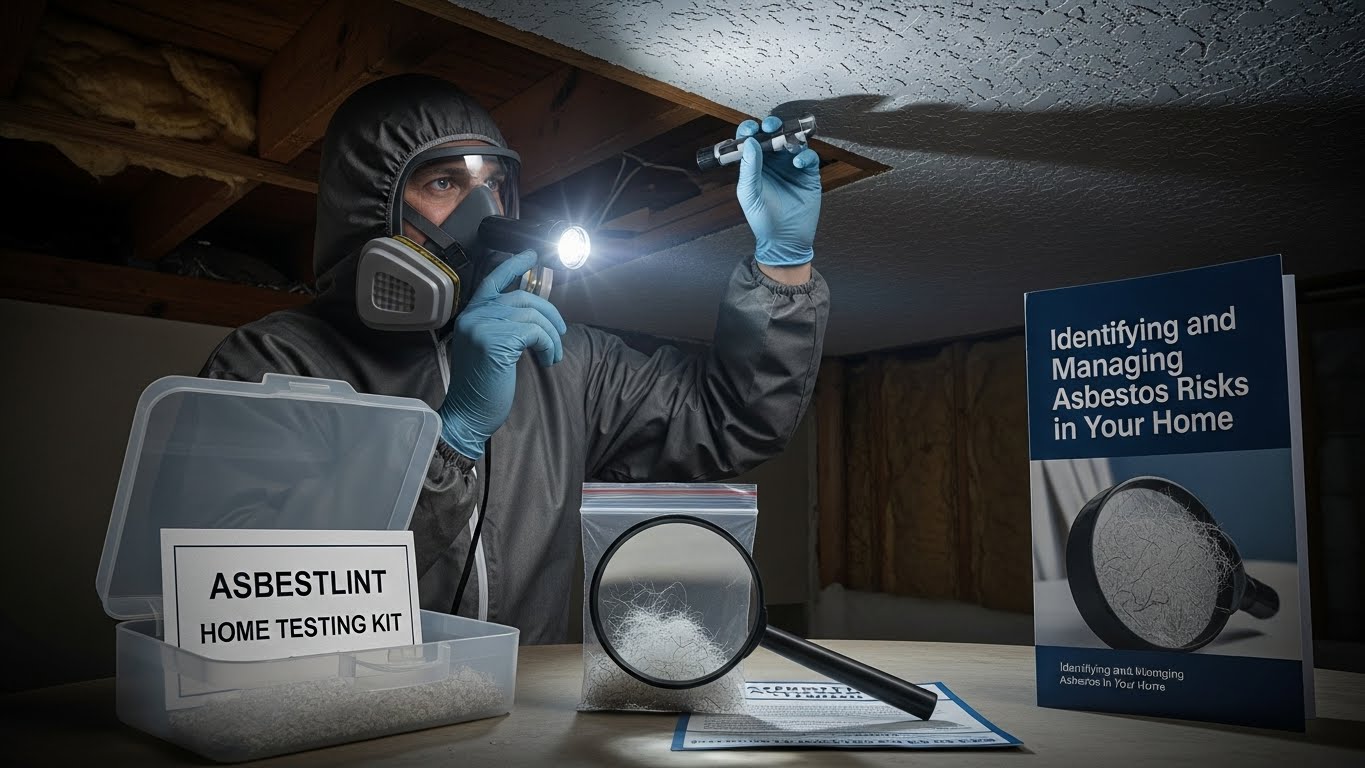
Asbestos, often referred to as “asbestlint,” is a term that can send shivers down the spine of any homeowner. This naturally occurring mineral was once celebrated for its fire-resistant qualities and strength, finding its way into countless building materials. However, lurking behind its benefits are serious health risks that have led many to question how safe their homes truly are. If you suspect your living space might contain asbestos or simply want to be informed about this hidden danger, you’ve come to the right place. Understanding what asbestlint is and learning how to manage potential risks will empower you to take control of your home’s safety. Let’s dive in!
What is Asbestos?
Asbestos is a group of naturally occurring fibrous minerals known for their durability and heat resistance. Historically, it was widely used in construction materials, insulation, and various household products. These fibers are microscopic and can be easily inhaled or ingested without immediate detection. Once inside the body, they can cause significant harm over time.
The most common types of asbestos include chrysotile (white asbestos), amosite (brown asbestos), and crocidolite (blue asbestos). Each type has different properties but poses similar health risks when disturbed. Due to its hazardous nature, many countries have banned or strictly regulated the use of asbestos in building materials. Homeowners must remain vigilant about potential exposure from older structures where asbestlint might still linger. Understanding what asbestos is lays the groundwork for addressing any concerns regarding safety in your living environment.
Health Risks Associated with Asbestos Exposure
Asbestos exposure poses significant health risks that can manifest years after initial contact. When asbestos fibers are inhaled, they can become trapped in the lungs, leading to serious respiratory issues. One of the most alarming conditions associated with this mineral is mesothelioma, a rare and aggressive cancer primarily affecting the lining of the lungs. It often takes decades to develop, making early detection challenging.
Apart from mesothelioma, asbestos exposure increases the risk of asbestosis—a chronic lung disease characterized by inflammation and scarring. This condition significantly impairs lung function and quality of life. Additionally, individuals exposed may face heightened risks for other cancers such as lung cancer or even gastrointestinal cancers. The cumulative effect only escalates with prolonged or repeated exposure. Understanding these dangers highlights the urgency in identifying any presence of asbestos within your living environment and addressing it promptly.
How to Identify Asbestos in Your Home
Identifying asbestos in your home can be challenging. This mineral was commonly used in building materials before its risks became widely known. First, know where to look. Asbestos is often found in insulation, floor tiles, roofing shingles, and textured paints. If your house was built before the 1980s, there’s a higher chance of encountering it.
Visual inspection is key. Look for frayed or damaged materials that might release fibers into the air. Pay attention to areas with wear and tear—these are potential hotspots. If you suspect asbestos, avoid disturbing any material until you confirm its presence. It’s best not to take chances by conducting DIY tests; instead, seek professional help for accurate testing. Understanding what asbestos looks like can empower homeowners to act wisely when faced with this hidden hazard lurking within their walls and ceilings.
Steps to Take if Asbestos is Found in Your Home
If you discover asbestos in your home, it’s crucial to act promptly yet carefully. First, avoid disturbing the material. Asbestos fibers can become airborne and pose serious health risks when disturbed.
Next, assess the situation. If the asbestos is intact and undamaged, it may not require immediate removal. However, monitor its condition regularly for any signs of wear or damage.
Contact a licensed professional who specializes in asbestos management. They have the expertise to evaluate your situation accurately and recommend appropriate actions.
Do not attempt DIY removal unless you are trained and certified. Improper handling can exacerbate exposure risks.
Consider sealing off areas with detected asbestos to limit access until a plan is established. This precaution will help protect family members while ensuring they stay safe from potential exposure during this critical period.
Professional vs DIY Asbestos Removal
When it comes to removing asbestos from your home, the choice often boils down to hiring professionals or taking a DIY approach. Professional removal services come equipped with training and specialized tools. They understand the complexities of handling this hazardous material safely.
On the other hand, some homeowners may consider DIY methods as a cost-saving option. However, tackling asbestos without proper knowledge can be risky. Disturbing asbestos materials can release harmful fibers into the air.
If you opt for professional help, ensure they follow local regulations and safety standards. This guarantees not just effective removal but also peace of mind regarding health risks.
DIY might seem tempting but remember that improper handling could lead to severe consequences. Weigh your options carefully before making a decision about how to handle potential asbestlint in your home.
Preventing Asbestlint: Tips for Managing and Reducing Asbestos Risks
Preventing asbestlint in your home starts with awareness. Regularly inspect areas where asbestos might be present, especially if your house was built before the 1980s. Look for materials such as insulation, flooring, and roofing that may contain asbestos.
Maintain a clean environment to minimize dust accumulation. Use damp cloths when cleaning to prevent fibers from becoming airborne.
It’s wise to limit renovations or repairs in suspected areas unless you are certain there’s no risk involved. Always assume older materials could contain asbestos until tested.
If you’re planning any major work on your home, consult an expert first. They can provide guidance and recommend safe practices for handling potentially hazardous materials.
Educating yourself and others about the risks of asbestos is crucial. Share this information with family members or contractors working on your property to ensure everyone remains vigilant against exposure.
Importance of Properly Managing Asbestos in the Home
Properly managing asbestos in the home is crucial for safeguarding health. Asbestos fibers can become airborne when disturbed, leading to serious respiratory issues.
Homes built before the 1990s are more likely to contain this hazardous material. Even minor renovations can release harmful particles into the air.
Awareness and proactive measures ensure safety for all household members. Regular inspections help detect potential asbestos sources early on.
Creating a safe living environment also protects property value. Homebuyers often seek assurances that there are no hidden risks lurking within walls or ceilings.
Educating yourself about proper handling and disposal methods further reduces dangers associated with asbestos exposure. Always prioritize prevention over reaction; it’s an essential aspect of responsible home ownership.
Investing time in managing these risks ultimately leads to peace of mind, allowing families to enjoy their homes without fear of unseen threats lingering around them.
Conclusion
Asbestos, often referred to as “asbestlint,” poses significant risks to health and safety in residential settings. Understanding what asbestos is and how it can affect you is crucial for maintaining a safe home environment. The potential health risks associated with asbestos exposure are serious, including lung diseases and cancer.
Identifying asbestos materials within your home requires vigilance. Knowing where it was commonly used—such as in insulation, flooring, or roofing—can be vital for any homeowner. If you suspect the presence of asbestos, taking immediate action is essential. Professional assessments can provide clarity on whether remediation is necessary.
When faced with confirmed cases of asbestlint in your property, the decision between professional removal and DIY methods should be made carefully. While some may feel inclined to handle it themselves to save money, hiring certified professionals ensures that the job adheres to safety regulations and minimizes risk.
Preventing asbestlint involves regular inspections and maintenance practices. Keeping abreast of building materials used in renovations or repairs helps mitigate exposure risks effectively.
Managing asbestos properly not only protects health but also preserves property value over time. Awareness around this hazardous material empowers homeowners to create safer living environments for everyone involved.