

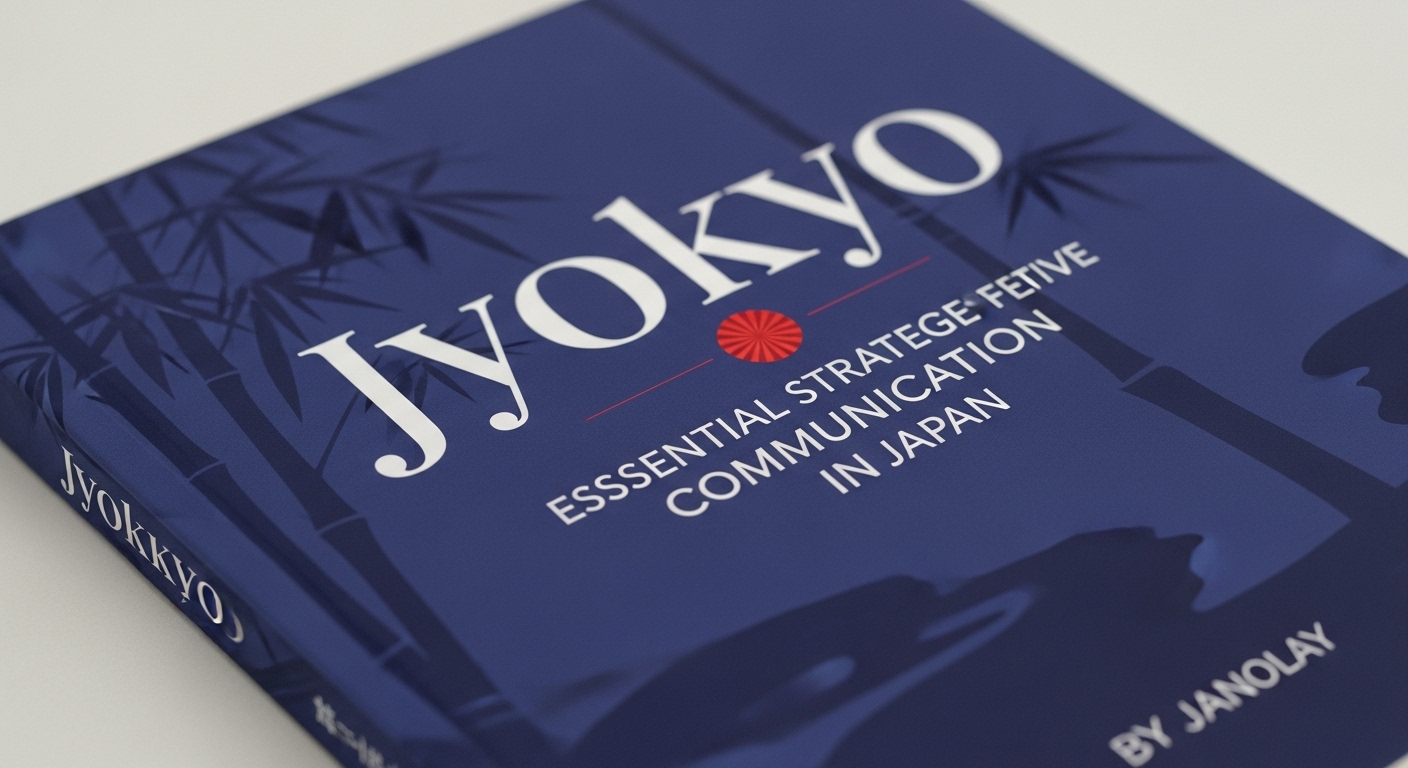
Japan is a land of rich traditions and unique customs. If you’re planning to communicate effectively within this fascinating culture, understanding the concept of Jyokyo is essential. This term encapsulates the art of situational awareness in communication—recognizing context, nonverbal cues, and hierarchical dynamics that shape interactions. In Japan, how something is said often holds just as much weight as what is actually being communicated. Whether you’re conducting business or simply making friends, grasping these nuances can significantly enhance your relationships. So, let’s explore effective strategies for navigating conversations in Japan with confidence and respect.
Understanding Communication in Japan
Communication in Japan is layered and nuanced, steeped in cultural significance. It often prioritizes harmony over directness. This means that a simple “yes” may not always translate to agreement; it could simply indicate understanding. Silence plays a crucial role as well. Pauses can convey thoughtfulness or respect for the other person’s feelings. Recognizing when silence is appropriate can be just as important as knowing what to say.
Context also shapes interactions significantly. The relationship between speakers influences language choice and tone, making it essential to gauge your audience accurately. Adapting your communication style based on context helps build rapport. Additionally, indirect expressions are common in Japanese conversations. Instead of blunt statements, people might use hints or suggestions to maintain politeness and avoid confrontation. Understanding these subtleties will enrich your experience in personal and professional settings alike.
Cultural Differences and Their Impact on Communication
Cultural differences shape the way we communicate, especially in Japan. Here, indirect communication often reigns supreme. People tend to express thoughts through subtle hints rather than explicit statements. Silence holds significant value in Japanese culture. It can indicate contemplation or agreement, allowing space for reflection. This contrasts sharply with cultures that prioritize verbal expression.
Additionally, the concept of ‘wa’ or harmony is paramount. In conversations, maintaining a peaceful atmosphere takes precedence over confrontation or debate. Understanding these nuances helps navigate interactions more smoothly. Misinterpretations can easily arise if one expects straightforwardness common in many Western cultures. By embracing this distinctive style of communication, you open doors to deeper connections and mutual respect within social and professional settings in Japan.
Mastering Nonverbal Communication
Nonverbal communication plays a critical role in Japanese interactions. Body language, gestures, and facial expressions convey messages that words often cannot. Maintaining eye contact is subtle yet significant. Too much can be seen as confrontational, while too little might suggest disinterest. Aim for balance to show respect and engagement.
Another key aspect is the use of silence. In Japan, pauses during conversation are not awkward; they provide space for reflection and thought. Embrace these moments rather than rushing to fill them with words. Furthermore, physical proximity matters greatly. Standing too close can make others uncomfortable; maintaining a respectful distance fosters trust and harmony. Watch for subtle cues like nodding or slight head tilts. These gestures indicate understanding or agreement without verbal affirmation, making them vital in effective communication within this cultural context.
Honoring Hierarchy and Formality in Japanese Communication
In Japan, communication is deeply intertwined with respect for hierarchy. Understanding one’s position within a group influences how messages are conveyed and received. Formal language, known as keigo, plays a pivotal role. It has three main categories: sonkeigo (respectful), kenjougo (humble), and teinei-go (polite). Mastering these forms can significantly enhance interactions.
Using titles appropriately is also crucial. Addressing someone by their surname followed by “san” shows politeness while maintaining formality. In business contexts, it’s common to refer to individuals based on their job titles or roles. Moreover, non-verbal cues often reflect respect for hierarchy. Bowing during greetings conveys acknowledgment of the other person’s status and fosters goodwill. Navigating these layers requires sensitivity and awareness but ultimately leads to deeper connections in Japanese culture.
Key Phrases and Expressions for Effective Communication
Mastering key phrases can significantly enhance your interactions in Japan. Simple greetings like “Konnichiwa” (Hello) and “Arigatou gozaimasu” (Thank you very much) show respect and appreciation. When engaging in conversation, use expressions like “Sumimasen” to politely apologize or get someone’s attention. It’s a versatile phrase that can ease many social situations.
If you’re asked your opinion, responding with “Watashi wa sou omoimasu” conveys agreement. For disagreement, try saying “Chigaimasu,” which is a gentle way to express dissent without sounding confrontational. Don’t underestimate the power of body language paired with these phrases. A smile while speaking creates warmth and openness, making communication smoother. Using these expressions will not only help you connect but also demonstrate your effort to embrace Japanese culture.
Overcoming Language Barriers
Language barriers can feel daunting when communicating in Japan. However, there are several strategies to make interactions smoother. First, embrace the power of patience. Take your time and allow conversations to flow naturally. This approach helps both parties feel more comfortable. Using translation apps can also be a game changer. They bridge communication gaps quickly and effectively, making everyday exchanges easier.
Visual aids are another useful tool. Pictures or diagrams can convey complex ideas without relying solely on words. Additionally, don’t hesitate to ask for clarification if something isn’t clear. A polite inquiry often leads to better understanding. Learning some basic Japanese phrases demonstrates respect and effort. Even simple greetings foster goodwill and enhance connections with locals.
Navigating Difficult Conversations
Navigating difficult conversations in Japan requires a delicate approach. The Japanese value harmony, so direct confrontation can be uncomfortable for both parties. When faced with an issue, start by acknowledging the other person’s perspective. This shows respect and opens the door to dialogue. Use phrases that soften your message, like “I feel” or “I understand.”
It’s also important to read the room. Pay attention to nonverbal cues such as body language and facial expressions. These signals often carry more weight than words themselves. Silence can be a powerful tool too—allow pauses during discussions for reflection rather than rushing to fill them with chatter. Remember, patience is key when addressing sensitive topics. Always aim for solutions that benefit everyone involved while maintaining mutual respect throughout the conversation.
The Importance of Jyokyo for Successful Interactions in Japan
Jyokyo, or situational awareness, plays a crucial role in Japanese communication. It’s about understanding the context around conversations and interactions. This concept goes beyond mere words; it encompasses unspoken cues and cultural nuances. In Japan, being attuned to Jyokyo helps navigate social dynamics smoothly. Recognizing when to speak up or remain silent can significantly impact relationships. It shows respect for others’ feelings and intentions.
When engaging with locals, observing their body language is vital. Subtle gestures often convey more than spoken phrases do. Paying attention allows you to respond appropriately in varied situations. Moreover, appreciating Jyokyo enhances mutual trust and rapport. Building connections relies on adapting your approach based on circumstances rather than sticking strictly to scripts or formalities. Embracing this mindset fosters meaningful exchanges that resonate well within Japanese society, making every interaction more effective and rewarding.
Conclusion
Effective communication in Japan goes beyond mastering the language. It requires a deep understanding of cultural nuances, nonverbal cues, and social hierarchies. Jyokyo plays a crucial role in navigating these complexities. By recognizing the importance of context and adapting your communication style accordingly, you can foster meaningful connections with Japanese colleagues and friends.
Learning key phrases enhances interactions while showing respect for the culture. Don’t shy away from embracing nonverbal signals; they often speak louder than words. Additionally, being aware of hierarchical structures will help you engage more thoughtfully.
As challenges arise—whether due to language barriers or difficult conversations—remember that patience and empathy are vital tools in your kit. With practice and awareness, effective communication becomes not just possible but rewarding. Mastering the art of Jyokyo ensures smoother interactions that build trust and collaboration across cultures. Embracing this approach opens doors to enriching relationships both personally and professionally within Japan’s unique landscape.