

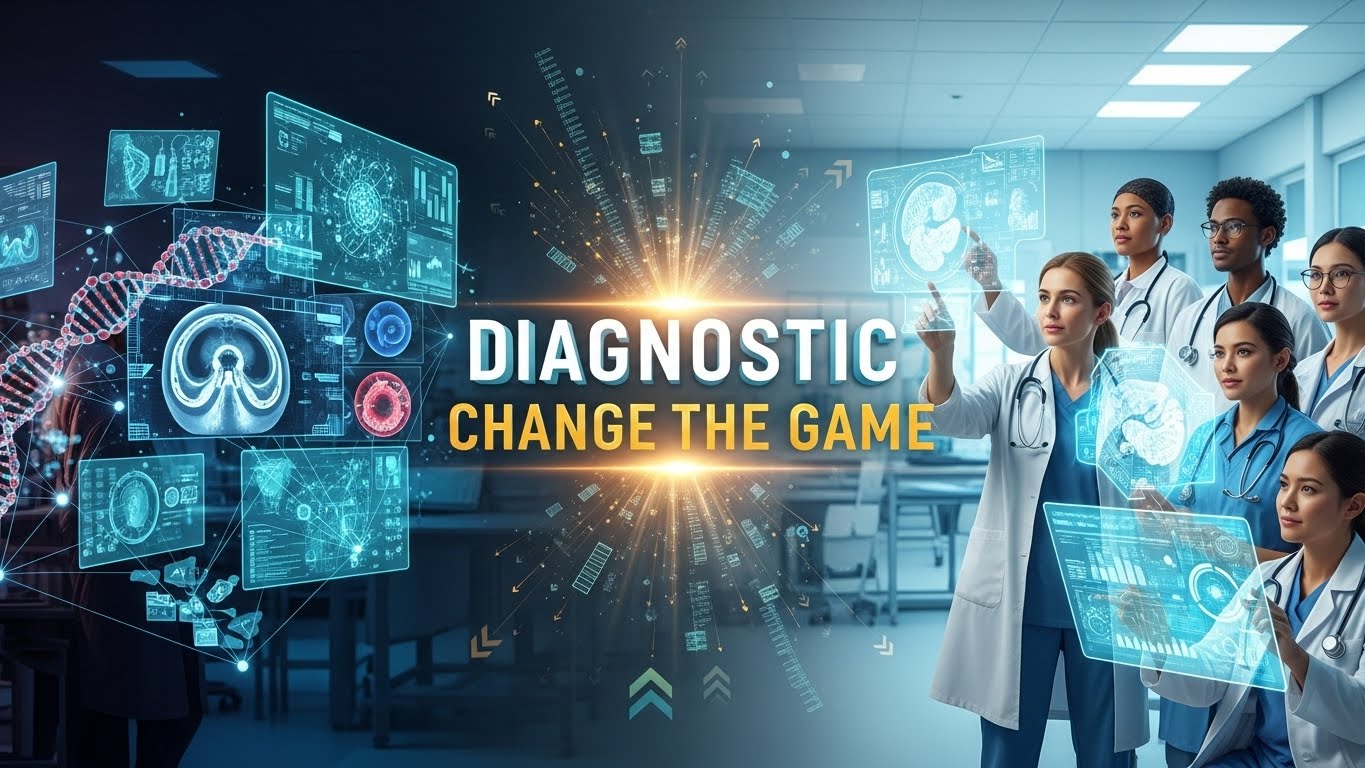
In today’s fast-paced world, medical diagnostics are evolving at an unprecedented rate. At the heart of this transformation is Diag image imaging—a remarkable tool that has changed the landscape of healthcare. From uncovering hidden ailments to guiding treatment plans, diag images play a pivotal role in patient care. This innovative approach allows healthcare providers to peer inside the human body without invasive procedures, offering both clarity and precision.
As we delve into the realm of diagnostic imaging, we’ll explore its various forms and advantages. We’ll also highlight how it aids in identifying conditions and examine emerging technologies shaping its future. Prepare to discover how diag images are not just changing diagnoses but revolutionizing our entire approach to medicine!
Types of Diagnostic Imaging
Diagnostic imaging encompasses various techniques, each serving a unique purpose in medical evaluation. X-rays are among the most common. They provide quick snapshots of bones and certain tissues, making them vital for identifying fractures or infections. Ultrasound uses sound waves to create images. This technique is particularly useful during pregnancy to monitor fetal development and assess organ health without radiation exposure.
CT scans offer detailed cross-sectional views of the body. They combine multiple X-ray images for a comprehensive look at internal structures, aiding in cancer detection and trauma assessment. MRI stands out due to its use of magnets and radio waves. It excels at capturing soft tissue details, making it indispensable for brain injuries and joint issues. Nuclear medicine employs small amounts of radioactive material. It helps visualize organs’ function rather than just structure, offering insights into conditions like thyroid disorders or cancers.
Advantages of Diagnostic Imaging in Medical Diagnosis
Diagnostic imaging offers a multitude of advantages in the realm of medical diagnosis. It provides a non-invasive way to visualize internal structures, allowing for accurate assessments without the need for exploratory surgery. With technologies like MRI and CT scans, healthcare professionals gain insights into complex conditions. These images can reveal tumors, fractures, or signs of disease that might not be detectable through physical exams alone.
Another key benefit is early detection. Identifying issues at an earlier stage often leads to more effective treatment options. This proactive approach can significantly improve patient outcomes. Moreover, diagnostic imaging enhances communication among healthcare providers. Radiologists provide detailed reports based on image analysis, ensuring that everyone involved has access to crucial information regarding a patient’s condition.
The precision offered by these techniques also aids in monitoring treatment progress. Doctors can track changes over time and adjust therapies accordingly, maximizing care effectiveness while minimizing unnecessary interventions.
Examples of Conditions Diagnosed through Imaging
Diag image imaging plays a crucial role in identifying various medical conditions. For instance, fractures are often detected through X-rays, providing quick insights into bone injuries.
MRI scans excel in diagnosing soft tissue abnormalities. They can reveal tumors in the brain or spine, offering essential information for further treatment decisions.
CT scans are invaluable for assessing internal organs. Conditions like pneumonia or liver disease become clearer with detailed cross-sectional images that highlight problem areas.
Ultrasound is commonly used during pregnancy to monitor fetal development. It also aids in evaluating abdominal organ issues, such as gallstones or kidney stones.
Each of these imaging techniques contributes uniquely to patient care by enabling precise diagnosis and guiding treatment paths efficiently. The advancement of technology continues to enhance their effectiveness and accuracy across diverse medical applications.
New Developments and Technologies in Diagnostic Imaging
The landscape of diagnostic imaging is evolving rapidly. Innovations are transforming how we view and interpret medical images. For instance, artificial intelligence (AI) is making waves in image analysis, improving accuracy and speed.
Machine learning algorithms can now assist radiologists by identifying patterns that may be missed by the human eye. This not only enhances diagnostic precision but also reduces workload for healthcare professionals.
Another exciting development is 3D imaging technology. It allows clinicians to visualize anatomy in a more detailed manner than ever before. Surgeons can plan procedures with greater confidence using this advanced imagery.
Additionally, portable imaging devices are becoming increasingly prevalent. They provide immediate access to diagnostic information right at the patient’s bedside, enhancing patient care significantly.
Telemedicine has also been integrated into diagnostic imaging workflows. Remote consultations allow specialists to analyze images from anywhere in the world, facilitating timely diagnoses across distances.
Controversies Surrounding the Use of Diagnostic Imaging
Diag image imaging has transformed medical practices, yet it isn’t without its controversies. One notable concern is the overuse of certain imaging techniques. Many patients receive scans that may not be necessary, leading to unnecessary anxiety and potential harm.
Radiation exposure is another pressing issue. While advances have minimized risks, cumulative exposure from multiple scans can raise concerns about long-term health effects.
Additionally, financial implications cannot be ignored. High costs associated with advanced diagnostic imaging often lead to debates around healthcare access and equity. Not everyone can afford these tests, creating disparities in diagnosis and treatment outcomes.
There’s an ongoing discussion about the accuracy of some imaging results. Misinterpretations or false positives can result in undue stress for patients while delaying appropriate care for others who truly need it. This complexity illustrates that while diagnostic imaging offers incredible benefits, it also raises significant ethical dilemmas worth exploring further.
The Future of Medical Diagnosis with Diagnostic Imaging
The future of medical diagnosis is being reshaped by advancements in diagnostic imaging. With technologies like AI and machine learning, accuracy in detecting diseases is on the rise.
Imagine algorithms analyzing scans faster than ever before. This not only speeds up diagnoses but also reduces human error significantly.
Wearable diagnostic devices are another exciting development. These tools can continuously monitor health metrics, providing real-time data to healthcare providers.
Moreover, 3D imaging techniques are gaining traction. They offer more detailed views of internal structures, improving surgical planning and outcomes.
Telemedicine combined Diag image with imaging will enhance accessibility for patients worldwide. Remote consultations could expand reach into underserved areas where specialists may be scarce.
Collaborative platforms will allow seamless sharing of images among medical professionals globally, enhancing collective expertise and patient care quality.
Conclusion
Diag image imaging has undoubtedly revolutionized the landscape of medical diagnosis. By allowing healthcare professionals to visualize internal structures, it enhances accuracy and efficiency in identifying various conditions. The advancements in technology continue to push boundaries, making diagnostic procedures faster and more precise.
As new modalities emerge, such as AI-assisted imaging and improved scanning techniques, the potential for innovation remains vast. However, it’s essential to navigate the ongoing debates surrounding its use responsibly. Balancing benefits with ethical considerations ensures that patients receive optimal care without unnecessary risks.
The future of diagnostics is bright with Diag image imaging at the forefront. As we embrace these developments, both patients and practitioners can look forward to a healthier tomorrow where diseases are detected earlier and treated more effectively than ever before.