

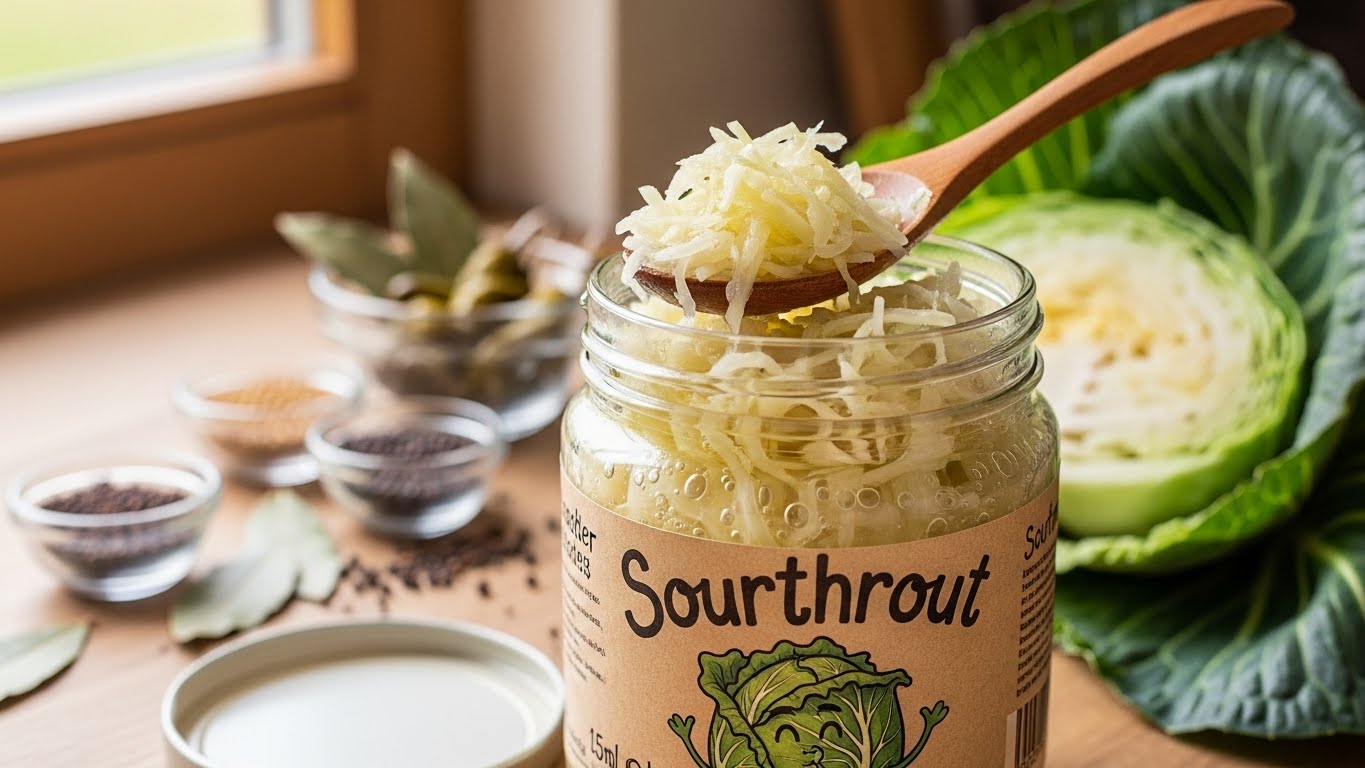
Are you ready to discover a culinary gem that’s been hiding in plain sight? Meet Sourthrout, the tangy and delightful fermented food that has roots stretching back centuries. This deliciously unique dish is more than just a trend; it’s a celebration of flavors and cultures from around the globe. Whether you’re a seasoned foodie or someone looking to spice up your meals, sourthrout offers an exciting burst of taste that can elevate any dish. Let’s dive into the world of sourthrout and uncover why this fermented delight might just be what your kitchen is missing!
The History and Cultural Significance of Sourthrout
Sourthrout’s roots run deep in various cultures, tracing back centuries. This fermented delight has found its place on tables across Europe and Asia, often celebrated for its unique tangy flavor.
In Eastern European countries like Germany and Poland, sourthrout is more than just food; it symbolizes tradition. Families gather to prepare this dish during festivals or special occasions, passing down recipes through generations.
Meanwhile, in Asian cuisine, variations of sourthrout have emerged with distinct spices and ingredients. Each region adds its own flair while keeping the fermentation process at heart.
This dish also represents resourcefulness. Historically, people used fermentation as a method to preserve vegetables long before refrigeration existed. Today, sourthrout stands not only as a culinary staple but also as a testament to cultural heritage and community bonding around the dinner table.
Health Benefits of Consuming Sourthrout
Sourthrout is not just a tasty addition to your meals; it also packs a nutritional punch. This fermented delight is rich in probiotics, which promote gut health and improve digestion. A healthy gut can enhance nutrient absorption and support overall wellness.
Additionally, sourthrout contains vitamins such as C, K, and several B vitamins, contributing to immune system strength. The fermentation process boosts these nutrients while making them more bioavailable.
Antioxidants found in sourthrout help combat oxidative stress in the body. This may reduce inflammation and lower the risk of chronic diseases over time.
Moreover, incorporating sourthrout into your diet may aid weight management by promoting satiety. Feeling full longer can help curb unhealthy snacking habits throughout the day.
Its tangy flavor adds excitement to various dishes while providing health benefits that are hard to ignore.
How to Make Your Own Sourthrout at Home
Making your own sourthrout at home is simple and rewarding. Start with fresh vegetables, often cabbage, but feel free to experiment with others like carrots or radishes.
Chop the veggies into small pieces. Place them in a large bowl and sprinkle salt over them. Massage the salt into the vegetables until they release their juices.
Transfer the mixture to a clean glass jar, packing it tightly. Make sure it’s submerged in its liquid to prevent spoilage. You can weigh it down using a clean stone or fermentation weight.
Cover the jar with cheesecloth or a loose lid to allow gases to escape while keeping dust out. Let it sit at room temperature for one to two weeks, tasting occasionally until you reach your desired tanginess.
Once fermented, store your sourthrout in the fridge for up to several months!
Creative Recipes to Incorporate Sourthrout into Your Meals
Sourthrout can add a zing to your meals in unexpected ways. Try it as a topping for tacos. Just spoon some sourthrout over seasoned meat and watch the flavors come alive.
For breakfast, mix it into scrambled eggs or avocado toast. The tangy crunch pairs beautifully with creamy textures.
You can also blend sourthrout into salad dressings for an extra kick. A simple vinaigrette becomes extraordinary with just a spoonful mixed in.
Consider incorporating sourthrout into grain bowls too. Quinoa or farro topped with roasted veggies and a generous scoop of sourthrout makes for a satisfying dish.
Don’t forget about snacking! Use it as a dip alongside pita chips or fresh vegetables, offering both nutrition and taste in every bite.
Popular Variations and Flavors of Sourthrout from Around the World
Sourthrout is not just one thing; it adapts beautifully to various cultures. Each region adds its own twist, creating a delightful array of flavors.
In Germany, you might encounter Sauerkraut seasoned with juniper berries and caraway seeds. This classic preparation has deep roots in German cuisine.
Travel to Korea, and you’ll find “Kimchi,” a spicy cousin of Sourthrout made from fermented napa cabbage mixed with garlic, ginger, and chili pepper. It’s vibrant and bursting with flavor.
Over in Eastern Europe, particularly Poland, people enjoy “Kapusta,” which combines sour cabbage with sautéed onions or apples for added sweetness—a comforting dish during the colder months.
Then there’s the Middle Eastern version featuring pickled vegetables soaked in vinegar brine. These variations showcase how versatile this fermented treat can be while enhancing any meal it’s part of.
Frequently Asked Questions about Sourthrout
Is the same as sauerkraut?
Not quite! While both are fermented dishes made from cabbage, sourthrout has a unique twist with additional spices and flavors that set it apart.
How long does it take to ferment sourthrout?
The fermentation process can vary, but typically it takes about one to three weeks. The longer you let it ferment, the tangier the flavor will become.
Can I store in the fridge?
Absolutely! Once opened, storing your sourthrout in an airtight container in the refrigerator helps maintain its taste and crunchiness for several months.
Is sourthout suitable for vegans?
Yes! Sourthrot is entirely plant-based and makes a fantastic addition to any vegan diet. It’s packed with probiotics too!
Are there any allergens in ?
Generally speaking, is free from common allergens like gluten or dairy. However, always check labels if purchasing pre-made versions.
Why You Should Give Sourthrout a Try
Sourthrout is not just another food trend; it’s a culinary experience waiting to happen. Its unique tangy flavor and crunchy texture can elevate any dish.
If you’re looking for a way to spice up your meals, is the answer. It adds depth without overwhelming other flavors.
This fermented delight also introduces beneficial probiotics into your diet. These microorganisms support gut health and boost immunity, making every bite worthwhile.
For those who love experimenting in the kitchen, offers endless possibilities. You can add it to salads, sandwiches, or even tacos for that extra zing.
Moreover, trying new foods helps expand your palate and culinary skills. Southrout is versatile enough that you can find ways to incorporate it seamlessly into various cuisines.
Conclusion
Sourthrout is more than just a trendy food item. It’s a delicious and versatile fermented delight that has stood the test of time, bringing together cultures and traditions from around the world. With its rich history and cultural significance, connects us to our culinary roots while offering numerous health benefits.
Making your own Sourthrut at home can be an enjoyable adventure in fermentation. Plus, incorporating it into your meals opens up a world of creative possibilities for flavor enhancement. Whether you’re trying classic recipes or exploring popular variations from different regions, you’ll find that adds an exciting twist to any dish.
If you haven’t yet tried this tangy treat, now might be the perfect time to dive in. Give it a chance; you may just discover your new favorite ingredient!