

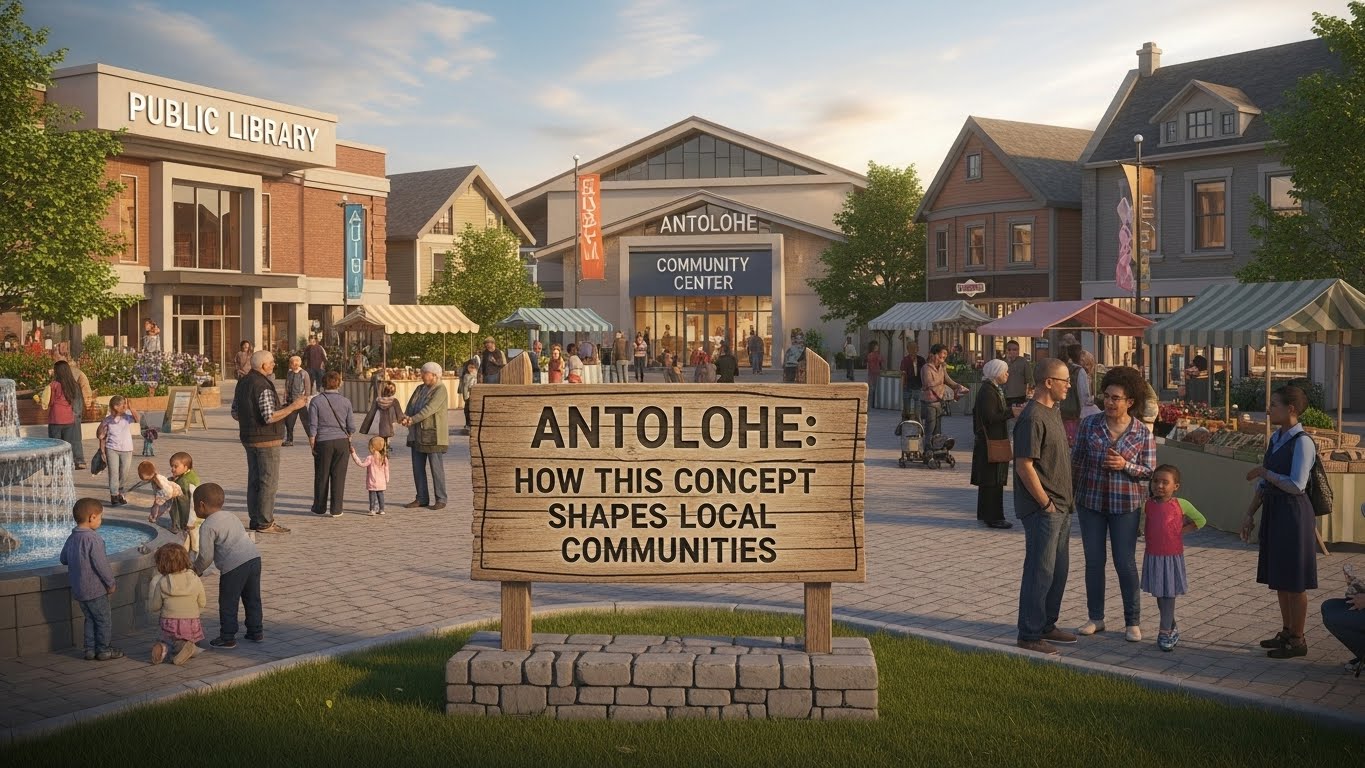
Imagine a world where communities thrive on shared values, collaboration, and mutual support. Welcome to the fascinating concept of Antolohe. This innovative approach isn’t just an idea—it’s a movement that is transforming local neighborhoods into vibrant ecosystems. By fostering connection and cooperation among residents, Antolohe reshapes how we interact with one another and our environment. As we delve into this captivating subject, you’ll discover its origins, practical applications in real-life scenarios, and the profound impact it can have on community development. Let’s embark on this journey together!
The meaning and origins of Antolohe
Antolohe is a term rooted in rich cultural traditions, often linked to community-building and collaboration. Its origins can be traced back to various indigenous practices that emphasize interconnectedness among individuals. At its core, Antolohe embodies the spirit of sharing resources and knowledge within a community. This concept has evolved over time but remains anchored in principles of mutual support and respect for one another.
Historically, Antolohe was practiced in societies where survival depended on collective effort. People came together to help each other during harvest seasons or challenging times. Today, it continues to inspire initiatives aimed at fostering resilience and harmony among local populations. This ancient wisdom resonates even more today as communities seek sustainable ways to thrive amidst modern challenges. By understanding its meaning and roots, we uncover valuable lessons for contemporary society’s growth and unity.
How Antolohe is applied in local communities
Antolohe manifests in local communities through collaborative projects that foster unity and resilience. Residents come together to identify shared goals, whether enhancing green spaces or organizing cultural events.
Community gardens exemplify this approach. Neighbors bond over planting and nurturing, creating not just food sources but also deep connections between individuals.
Educational initiatives often spring from Antolohe principles as well. Workshops led by locals teach skills ranging from cooking to crafts, empowering participants while preserving heritage. Additionally, local art installations can reflect community stories and values inspired by Antolohe. Murals created by residents celebrate their history and culture, transforming public spaces into vibrant expressions of identity. In essence, the application of Antolohe cultivates a sense of belonging while promoting active participation in shaping the future of neighborhoods. Such efforts breathe life into communal ties and inspire collective action toward common aspirations.
Case studies of successful implementation of Antolohe
One inspiring case of Antolohe in action is found in a small village in Madagascar. The community came together to revitalize their local fishing industry. By embracing traditional practices and sustainable methods, they improved both yields and environmental health. This collaboration not only boosted the economy but also strengthened social bonds. In another instance, a neighborhood in Brazil adopted Antolohe principles for urban gardening. Residents transformed vacant lots into green spaces filled with fruits and vegetables. This initiative fostered cooperation among diverse groups while enhancing food security.
A third example comes from an educational program in Kenya, where schools encouraged students to engage with their communities through service projects rooted in Antolohe values. Students learned vital skills while making tangible improvements around them, reflecting the concept’s power to inspire change at various levels. These cases illustrate how implementing Antolohe can lead to meaningful transformations within communities across different contexts.
Benefits of incorporating Antolohe in community development
Integrating Antolohe into community development brings a plethora of advantages. It fosters local identity and pride, allowing residents to connect with their cultural roots. This connection often leads to stronger communal bonds. Moreover, Antolohe encourages collaboration among community members. By working together on projects that reflect shared values, individuals become more invested in their surroundings. This heightened engagement can inspire innovative solutions to local challenges.
Economic growth is another significant benefit. Communities embracing Antolohe often see increased tourism as visitors are drawn to authentic experiences rooted in tradition. Local artisans and businesses thrive under this model. Additionally, incorporating Antolohe promotes sustainable practices by emphasizing the importance of preserving natural resources for future generations. Environmental consciousness becomes a priority when communities recognize the value of their heritage tied to the land. These elements contribute to healthier, happier communities where people feel empowered and connected.
Challenges and criticisms of Antolohe
Despite its positive intentions, Antolohe faces several challenges. One major concern is the potential for misinterpretation. Communities may adopt the concept without fully understanding its cultural significance. Another issue is resource availability. Implementing Antolohe requires time and funding that some communities simply lack. This can lead to half-hearted efforts rather than genuine engagement.
Resistance from traditional structures poses another barrier. Established leadership might view Antolohe as a threat to their authority, creating friction within community dynamics. Additionally, critics argue that not all aspects of local culture are beneficial or should be preserved unconditionally. Some believe that only selective elements should be integrated into modern practices. These challenges highlight the need for careful consideration when incorporating Antolohe into community development strategies, ensuring it aligns with both contemporary needs and historical values.
Future outlook and potential impact on society
The future of Antolohe holds remarkable potential for societal transformation. As communities increasingly embrace this concept, we may witness a resurgence of local identity and interconnectedness. With technology facilitating collaboration, individuals can engage in collective efforts to address pressing issues. This shift could lead to sustainable practices that enhance the quality of life for all residents.
Moreover, educational initiatives rooted in Antolohe promote cultural awareness and respect for diverse backgrounds. These changes foster inclusivity and empower marginalized voices within communities. As more regions adopt Antolohe principles, we might see a ripple effect across broader society. Local successes could inspire national movements aimed at redefining communal relationships and responsibilities. The integration of Antolohe into everyday life has the potential to create resilient societies where cooperation thrives over competition. The possibilities are exciting as communities evolve through shared values and collaborative spirit.
Conclusion
Antolohe embodies a transformative idea that resonates deeply within local communities. Its roots trace back to rich cultural traditions, emphasizing interconnectedness and shared responsibility among residents. By fostering collaboration, this concept encourages individuals to come together for the collective good. When effectively applied, Antolohe has shown remarkable results in various community settings. From urban neighborhoods revitalizing their spaces through cooperative initiatives to rural areas preserving their heritage while promoting sustainable practices, the potential is immense. Case studies highlight how these collaborative strategies not only enhance social bonds but also stimulate local economies.
The benefits of incorporating Antolohe into community development are substantial. Enhanced social cohesion leads to improved mental health outcomes and a stronger sense of belonging among residents. Furthermore, when communities unite under this principle, they become more resilient against challenges such as economic downturns or environmental crises. However, embracing Antolohe is not without its obstacles. Some may question its practicality or worry about unequal participation among different community members. Criticisms often arise around the challenge of maintaining momentum and ensuring all voices are heard in decision-making processes.
Looking ahead, the future holds promising possibilities for Antolohe’s impact on society at large. As more communities recognize its value and adapt it to their unique contexts, we may witness a shift towards greater solidarity and sustainability across regions worldwide. This exploration highlights just how vital concepts like Antolohe can be in shaping our everyday lives and interactions with one another—ultimately paving the way toward healthier communities where everyone thrives together.