

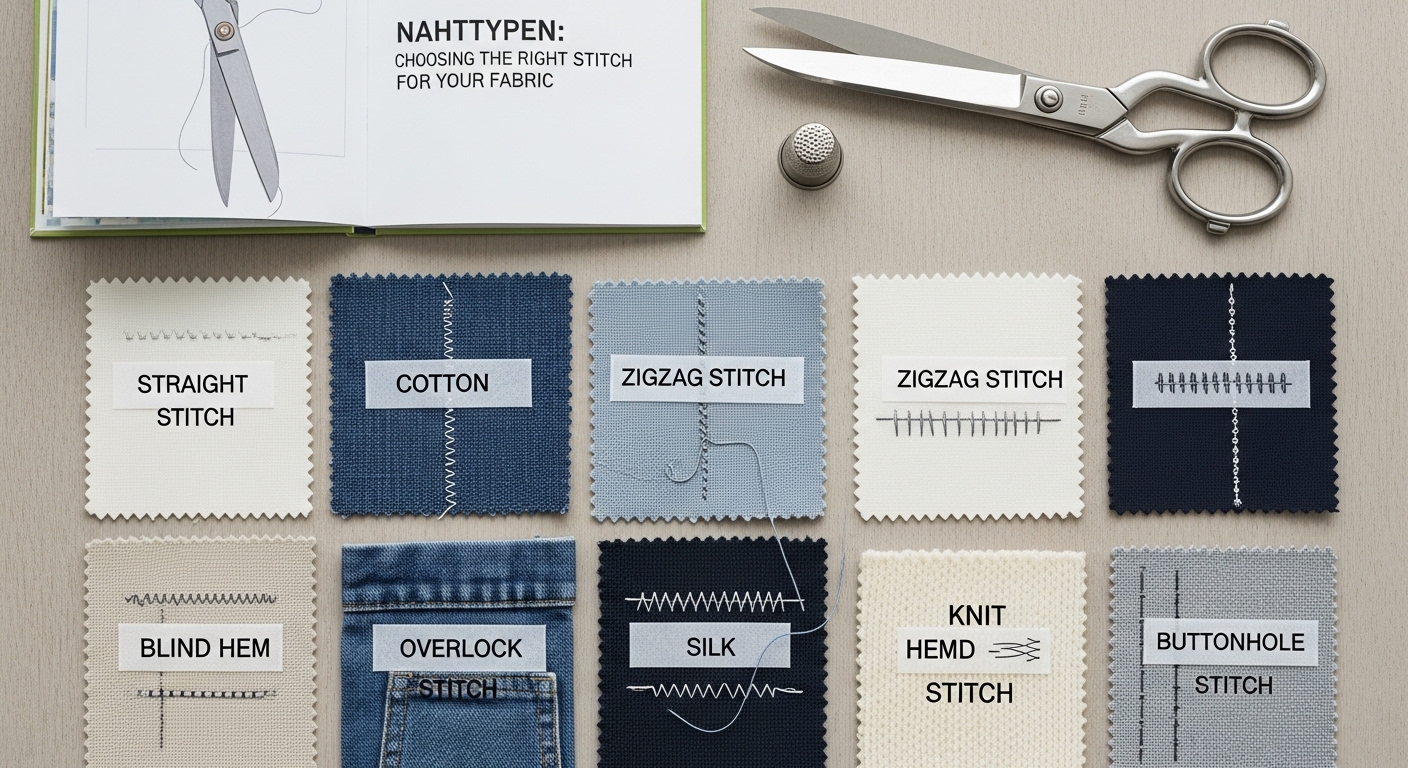
When it comes to sewing, the right stitch can make all the difference. But with so many Nahttypen (stitch types) available, how do you know which one is best suited for your fabric? Every project has its unique demands, and understanding the various stitches is key to achieving that professional finish. Whether you’re a seasoned seamstress or just starting out, mastering these techniques will elevate your creations and bring your vision to life. From delicate silks to sturdy denims, let’s dive into the fascinating world of stitching!
Understanding the Different Types of Stitches
When diving into the world of Nahttypen, it’s essential to recognize the variety available. Each stitch type serves a unique purpose and is suited for different fabrics. The straight stitch is perhaps the most fundamental. It offers clean seams, making it ideal for woven fabrics like cotton or linen.
For stretchable materials such as knits, the zigzag stitch shines. It allows flexibility while maintaining seam integrity during movement. Another important type is the overlock stitch. This one prevents fraying on edges and provides a professional finish to garments. Don’t forget about decorative stitches! These can add flair to your projects while serving functional purposes too. Understanding these distinctions will empower you in choosing wisely based on fabric characteristics and desired outcomes.
Choosing the Right Stitch for Your Fabric Type
Selecting the right stitch for your fabric is crucial. Each type of fabric has its own characteristics that dictate which stitch works best. For lightweight fabrics like chiffon or silk, a straight stitch often provides the clean finish you need. It keeps seams delicate without adding bulk. Heavier materials such as denim require more robust stitches, like a zigzag or an overlock. These prevent fraying and ensure durability in seams that endure stress.
Stretchy fabrics benefit from using a stretch stitch or serger techniques. These allow for movement without compromising seam integrity. Consider the purpose of your project too. If you’re crafting something that will see daily wear, prioritize strength and flexibility in your stitching choice. Understanding these nuances helps enhance both functionality and aesthetics in sewing projects. Properly matched stitches elevate the overall quality of your work significantly.
Examples of Stitch Types and Their Uses
When it comes to stitching, knowing specific types can elevate your sewing projects. The straight stitch is the most common choice. It’s perfect for basic seams and hemming. This versatile stitch provides a clean finish on woven fabrics. Zigzag stitches are another favorite. They stretch with knit fabrics, which prevents fraying at the edges. Use this stitch for finishing raw hems or applique work.
For decorative flair, try the scallop stitch. It adds an appealing edge to garments and crafts alike, making it ideal for embellishments. If you’re working with thicker materials like denim or canvas, consider a double-stitched seam. This adds strength where it’s needed most while offering durability in heavy use applications. Each type of stitch has its own unique characteristics that cater to different fabric types and project needs—making them essential tools in your sewing arsenal.
Tips for Sewing with Different Fabrics
When sewing with different fabrics, preparation is key. Always pre-wash your fabric to prevent future shrinkage and ensure the colors set properly. Use the right needle for each type of fabric. For delicate materials like silk, a fine needle works best, while heavier fabrics such as denim require a stronger one.
Adjust your tension settings based on the thickness of your material. Too tight can cause puckering; too loose may lead to skipped stitches. Don’t forget about presser feet! A walking foot is ideal for slippery or multiple layers, ensuring even feed through the machine. Take it slow. Rushing can lead to mistakes that are hard to fix later on. Enjoy the process and let each fabric teach you something new!
Troubleshooting Common Stitching Issues
Stitching issues can be frustrating, but many problems are easy to fix. One common issue is thread bunching beneath the fabric. This usually indicates that your tension settings need adjustment. Check both the upper and lower tensions. Skipped stitches are another frequent headache. They often occur when the needle is dull or incorrectly inserted. Ensure you’re using the right needle type for your fabric, as this can make a big difference.
If you notice uneven stitching, it might be time to clean your sewing machine. Dust and lint can accumulate and affect performance significantly. Thread breaks often stem from poor-quality thread or incorrect threading of the machine itself. Always ensure you’re following the manufacturer’s guidelines for threading properly. If seams are pucker-free but not lying flat, consider pressing them with an iron after sewing. A little heat goes a long way in achieving that polished finish you desire!
The Importance of Knowing Your Stitches in Sewing
Understanding Nahttypen is crucial for any sewing enthusiast. Each stitch type serves a specific purpose and can dramatically affect the outcome of your project. When you know which stitches to use, you enhance both durability and aesthetics. For instance, a straight stitch works well for seams, while a zigzag stitch provides flexibility on knit fabrics.
Selecting the right stitch prevents common issues like fabric fraying or puckering. It also ensures that your finished piece looks polished and professional. Beyond functionality, different stitches allow for creative expression in your work. Experimenting with various types can elevate even simple designs into stunning pieces. Knowledge empowers you as a sewer. The more familiar you are with Nahttypen, the more confident you’ll feel tackling diverse projects and materials. Embrace this essential skill—your creations will thank you!
Conclusion
Understanding Nahttypen, or stitch types, is essential for anyone looking to elevate their sewing skills. Each stitch serves a unique purpose and can dramatically affect the final outcome of your project. Familiarizing yourself with different stitches helps you make informed choices that enhance not only the appearance but also the durability of your creations.
Whether you’re working with delicate fabrics or heavier textiles, selecting the right stitch can prevent common issues such as fraying or puckering. Knowing how various stitches interact with different materials gives you an edge in achieving professional results. As you explore stitching options, keep practicing and experimenting. Over time, you’ll develop a keen sense for which nahttypen work best for specific fabrics and projects. Embrace this journey of learning; it opens doors to new creative possibilities in your sewing endeavors.